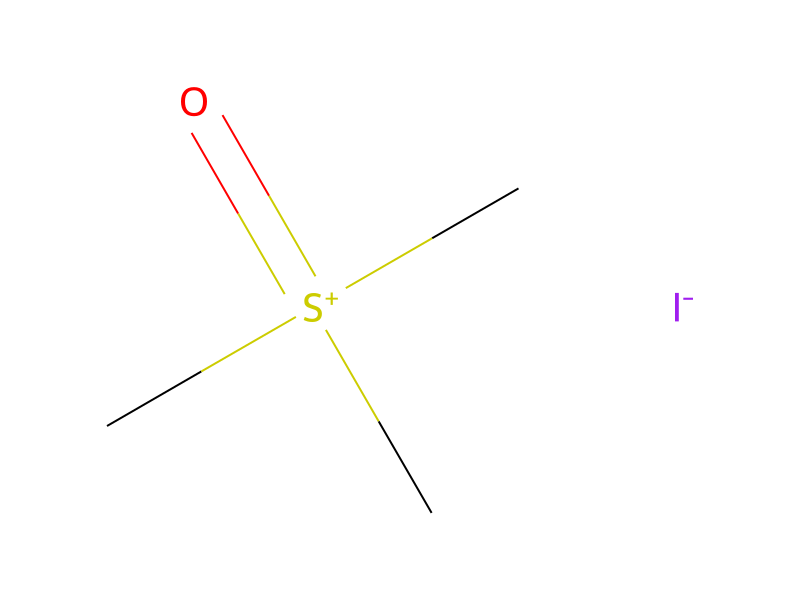
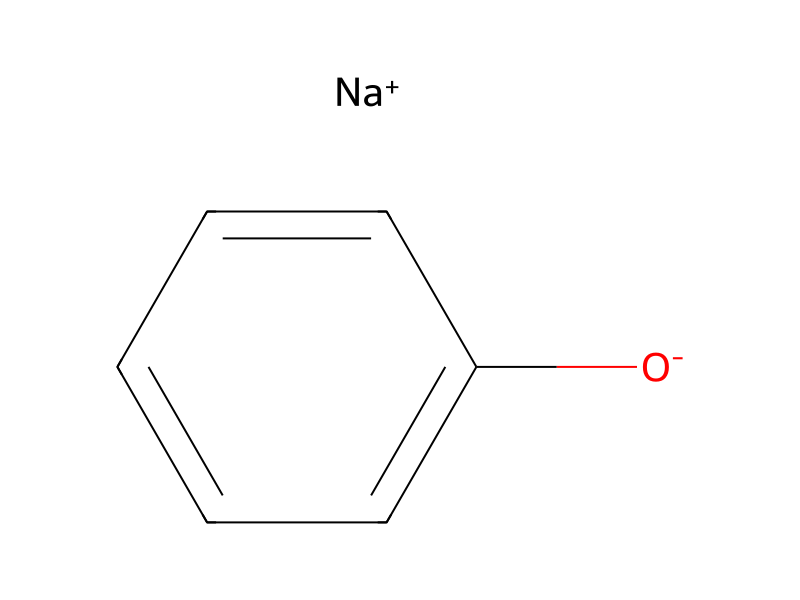
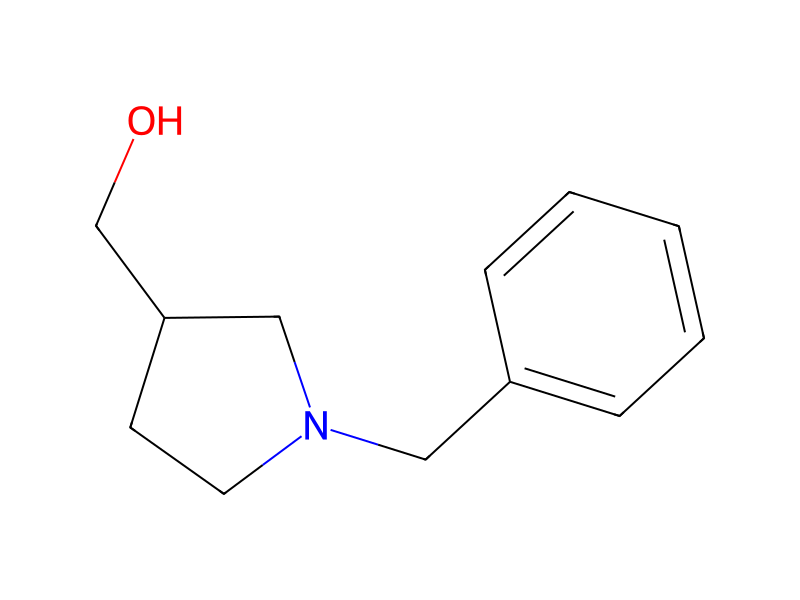
Sodium hydride → 1-Benzylpyrrolidine-3-carbaldehyde
HRID 1762916
Reaktionsgleichung

[C:1]1([CH2:7][N:8]2[CH2:12][CH2:11][CH:10]([CH2:13][OH:14])[CH2:9]2)[CH:6]=[CH:5][CH:4]=[CH:3][CH:2]=1.[Cr](Cl)([O-])(=O)=O.[NH+]1[CH:25]=[CH:24]C=CC=1.CS(C)(=O)=C.[I-].C[S+](C)(C)=[O:34].[H-].[Na+].[O-:39][C:40]1[CH:45]=[CH:44][CH:43]=[CH:42][CH:41]=1.[Na+]>>[C:1]1([CH2:7][N:8]2[CH2:12][CH2:11][CH:10]([CH:13]=[O:14])[CH2:9]2)[CH:2]=[CH:3][CH:4]=[CH:5][CH:6]=1.[C:1]1([CH2:7][N:8]2[CH2:9][CH2:10][CH2:11][CH:12]2[CH:24]([CH2:25][O:39][C:40]2[CH:45]=[CH:44][CH:43]=[CH:42][CH:41]=2)[OH:34])[CH:2]=[CH:3][CH:4]=[CH:5][CH:6]=1