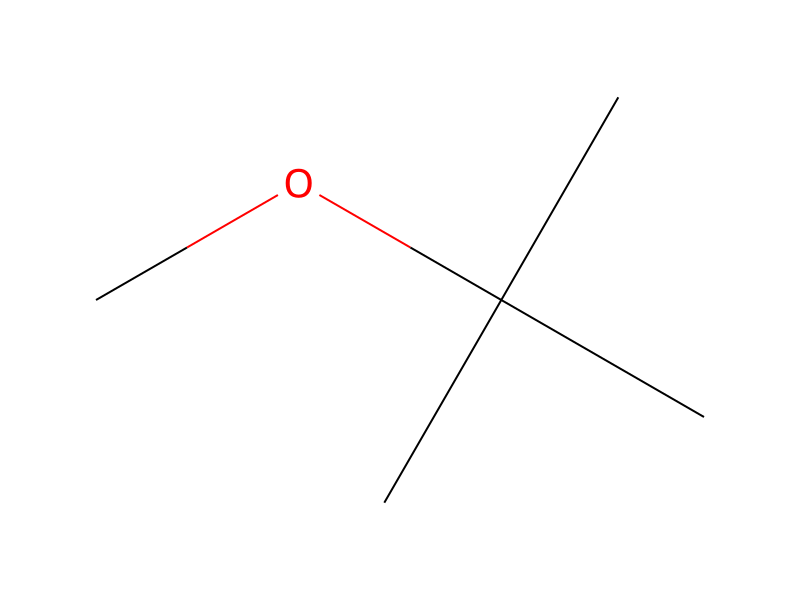
A 50-L, 5-necked flask equipped with a mechanical stirrer and a thermometer was flushed with nitrogen overnight. Working under nitrogen, the flask was charged with the product from Step B (855 g, 2.68 mol) and t-butyl methyl ether (MTBE, 12.5 L). The stirred suspension was cooled to -40° C. using a dry-ice/2-propanol bath and (+)-β-chlorodiisopino-campheylborane (4.5 L of a 1.2M solution in MTBE, 5.4 mol) was added via a cannula over 30 minutes, causing the temperature to rise to -32° C. The reaction mixture was maintained between -25 to -20° C. for 3.5 hours. The mixture was warmed to 0° C. and 1M sodium hydroxide (11 L) was added from an addition funnel over 10 minutes, causing the temperature to rise to 22° C. The biphasic mixture was stirred vigorously at ambient temperature for 2 hours, after which TLC analysis indicated complete cyclization. The phases were split, and the dark aqueous layer was extracted with t-butyl methyl ether (3 L), acidified to pH 1 using concentrated hydrochloric acid, and extracted with ethyl acetate (2×4 L).