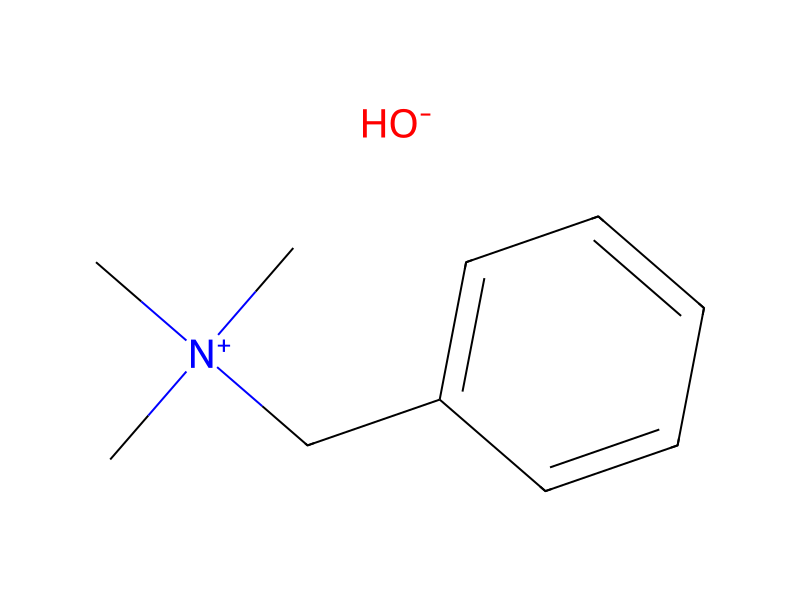
[Cl:1][C:2]1[C:9]([O:10][CH3:11])=[CH:8][CH:7]=[CH:6][C:3]=1[CH:4]=O.C[CH:13]([S:17][CH:18](S(C)=O)C)[S:14]([CH3:16])=[O:15].CO>C1COCC1.[OH-].C([N+](C)(C)C)C1C=CC=CC=1>[Cl:1][C:2]1[C:9]([O:10][CH3:11])=[CH:8][CH:7]=[CH:6][C:3]=1/[CH:4]=[C:13](/[S:14]([CH3:16])=[O:15])\[S:17][CH3:18]To a solution of 2-chloro-3-methoxybenzaldehyde (1.74 g, 10.0 mmol, 1.0 eq.) and methyl(methylsulfinyl)methyl sulfide (1.72 mL, 16.1 mmol, 1.6 eq.) in THF (9 mL), benzyltrimethylammonium hydroxide solution in methanol (2.3 mL, 10.0 mmol, 1.0 eq.) was added. The resulting solution was refluxed for 18 hours. The solvent was removed in vacuo. The residue was taken up in AcOEt and washed with 1M aq. HCl soln., water, and sat. aq. NaCl soln. The org. layer was dried over MgSO4, filtered, and concentrated in vacuo. The residue was purified by flashmaster (column: 100 g, flow: 45 mL/min, 30 fractions of 45 mL, Heptane+20% AcOEt to Heptane+65% AcOEt) to yield 2-chloro-1-((E)-2-methanesulfinyl-2-methylsulfanyl-vinyl)-3-methoxy-benzene as a pale orange oil.