StartseiteMCPWorkbenchSkills
StartseiteWorkbenchBenachrichtigungenMein Bereich
llms.txt · MCP-AnleitungDatenschutz · Nutzungsbedingungen · Supportv1.8.3
  1. Startseite
  2. /Reaktion

Hydrochloric Acid → Dipyrromethane

HRID 1794644
Drucken

Reaktionsgleichung

Reaktionsgleichung von HRID 1794644
N1C=CC(C=O)=CC=1.Cl.[CH:10]1[CH:14]=[C:13]([CH:15]([C:22]2[NH:26][CH:25]=[CH:24][CH:23]=2)C2C=CN=CC=2)[NH:12][CH:11]=1.B(F)(F)F.Cl.C1COCC1>CO.N1C=CC=C1>[CH:24]1[CH:23]=[C:22]([CH2:15][C:13]2[NH:12][CH:11]=[CH:10][CH:14]=2)[NH:26][CH:25]=1
KomponentenVersuchsvorschriftAufarbeitungQuellen und NachweiseNotizen zur Reaktion

Komponenten

8

Edukt 5

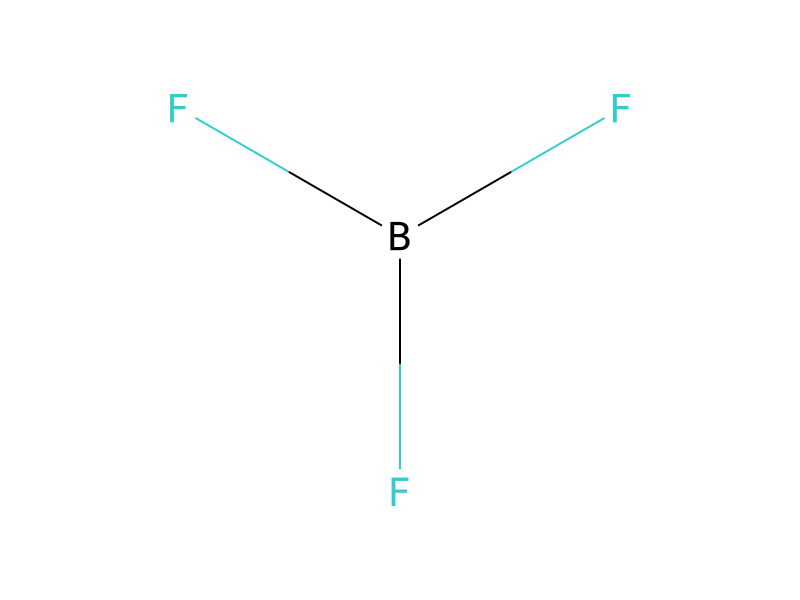
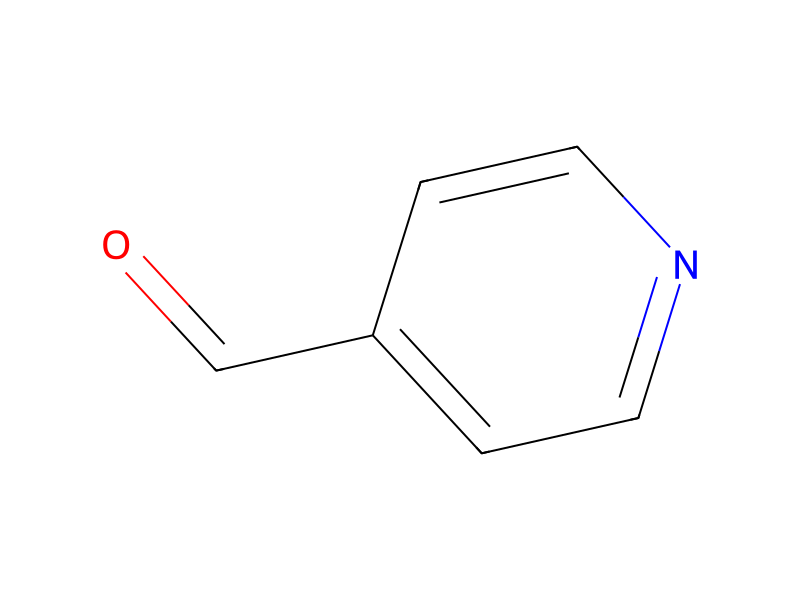
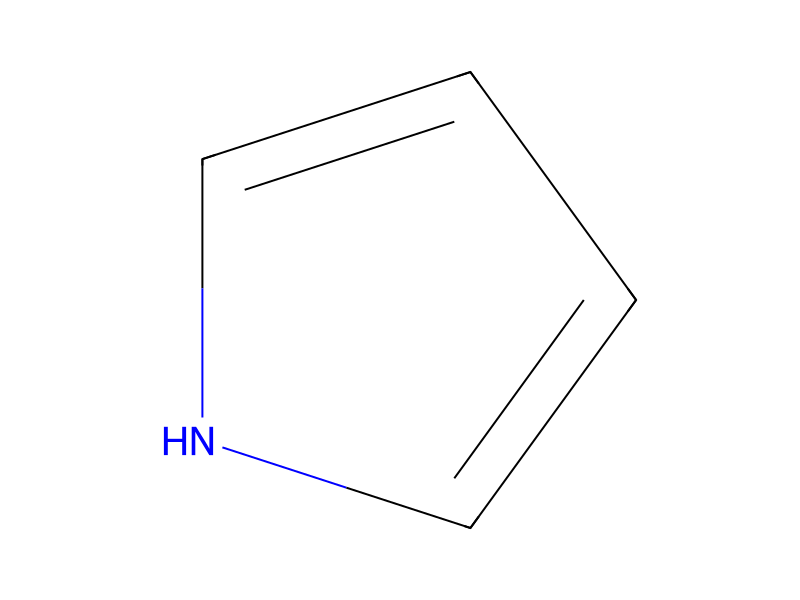
HCID 313Hydrochloric AcidHCID 6356Boron trifluorideHCID 133894-PyridinecarboxaldehydeHCID 106328684-(Di(1H-pyrrol-2-yl)methyl)pyridineHCID 18422008HCl tetrahydrofuran

Produkt 1

HCID 140814Dipyrromethane

Reagenzien, Katalysatoren, Lösungsmittel 2

HCID 887MethanolLösungsmittelHCID 8027PyrroleLösungsmittel3×

Versuchsvorschrift

The earliest one-flask synthesis entailed reaction of 4-pyridine carboxaldehyde with 2.1 molar equiv of pyrrole in methanol acidified with gaseous HCl, whereupon the corresponding 5-(4-pyridyl)dipyrromethane precipitated as the hydrochloride salt.2 In most applications such precipitation is not possible, in which case all excess of pyrrole is employed to suppress the continued reaction leading to linear and cyclic oligomers. A number of reports in the early-mid 1990s described methods where the aldehyde (0.04–0.5 M) was treated with excess pyrrole (2.1–40 molar equiv) in an acidified organic solvent: BF3-etherate/CH2Cl2,3 acetic acid/DMF4 or THF,5 SnCl4/CH2Cl2,6 p-toluenesulfonic acid/MeOH7,8 or toluene,9 or aq. HCl/THF.10 Workup typically entailed several steps including column chromatography, though Hammel et al. employed flash chromatography followed by Kugelrohr distillation.3 In 1994, we reported a method that employed the reaction of the aldehyde (0.34 M) dissolved in neat pyrrole (˜14 M) with no other solvent, relying on column chromatography for purification (“1994 procedure”).11 Catalysis was achieved at room temperature with TFA or BF3.O(Et)2, or in some cases12 upon heating without added acid. The reaction proceeded in a few minutes at room temperature and afforded the dipyrromethane in yields of ˜40–60%, but the use of chromatography for purification limited the scale.


Aufarbeitung

  1. customprecipitated as the hydrochloride salt
  2. custom2 In most applications such precipitation
  3. customthe continued reaction
  4. customrelying on column chromatography for purification (“1994 procedure”).11 Catalysis
  5. customwas achieved at room temperature with TFA or BF3
  6. temperatureO(Et)2, or in some cases12 upon heating
  7. additionwithout added acid
  8. waitThe reaction proceeded in a few minutes at room temperature

Quellen und Nachweise

ORD-Eintrag
ord-a94bb07cea2a464383bb789d486b9a0f
Quelldatensatz
uspto-grants-2006_04
DOI
10.6084/m9.figshare.5104873.v1
Patentnummer
US07022862B2

Notizen zur Reaktion

Auf dieser SeiteKomponentenVersuchsvorschriftAufarbeitungQuellen und NachweiseNotizen zur Reaktion