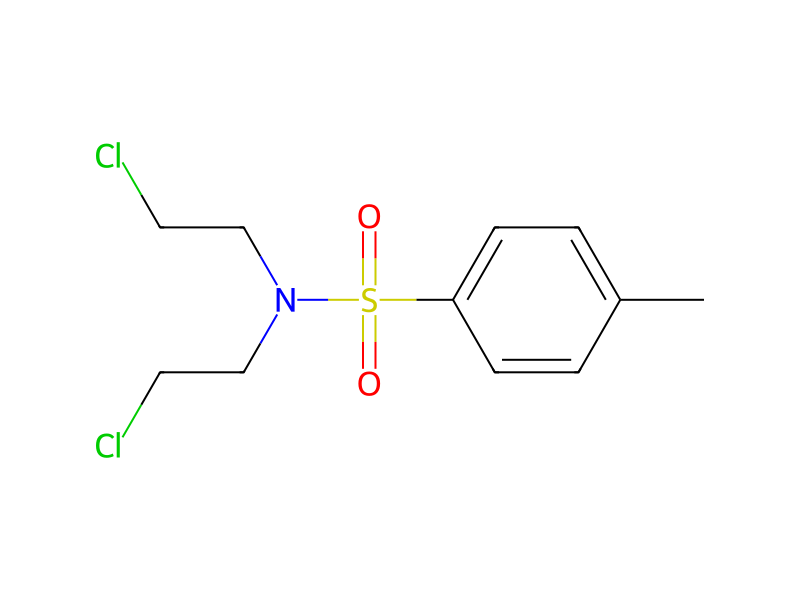
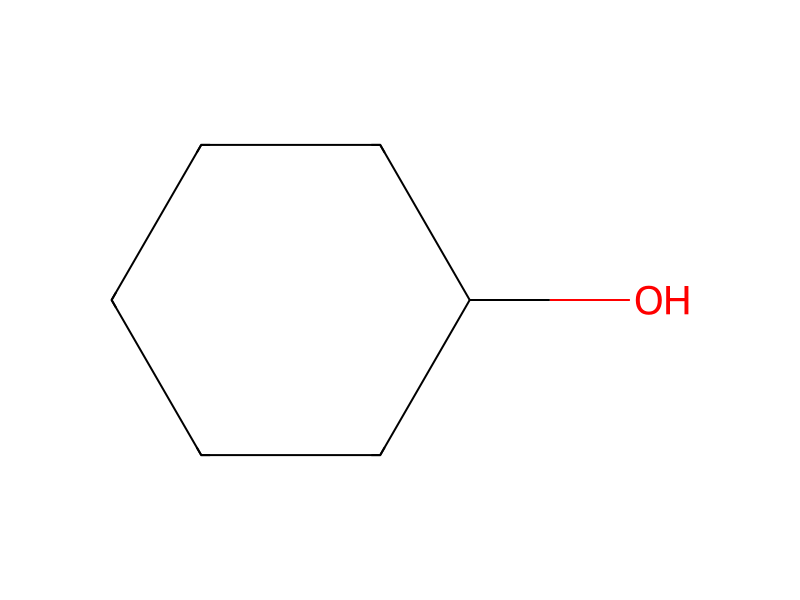
Cl[CH2:2][CH2:3][N:4]([CH2:15][CH2:16]Cl)[S:5]([C:8]1[CH:13]=[CH:12][C:11]([CH3:14])=[CH:10][CH:9]=1)(=[O:7])=[O:6].[I-].[K+].C(=O)([O-])[O-].[Na+].[Na+].[I:26][C:27]1[CH:28]=[CH:29][C:30]([CH3:34])=[C:31]([CH:33]=1)[NH2:32]>C1(O)CCCCC1>[I:26][C:27]1[CH:28]=[CH:29][C:30]([CH3:34])=[C:31]([N:32]2[CH2:16][CH2:15][N:4]([S:5]([C:8]3[CH:13]=[CH:12][C:11]([CH3:14])=[CH:10][CH:9]=3)(=[O:7])=[O:6])[CH2:3][CH2:2]2)[CH:33]=19.97 g of N,N-bis(2-chloroethyl)-4-methylbenzenesulfonamide (30.3 mmol) and 5.03 g of potassium iodide (30.3 mmol) in 75 mL of cyclohexanol were stirred for 1 h at 80° C. After addition of 7.7 g of sodium carbonate (72.7 mmol) and 5.65 g of 5-iodo-2-methyl-aniline (24.2 mmol), stirring continued for 8 h at 160° C. At room temperature, the mixture was filtered, washed with dichloromethane, and the filtrate evaporated to dryness. The residue was dissolved in dichloromethane, filtered, and the solvent evaporated. The remaining residue was trituated with n-heptane and the crystalline product filtered off, washed several times with n-heptane and dried in vacuo to yield 10.7 g of product.