Acetone → 2-(2-nitrophenyl)-Thiazolo[5,4-b]pyridine-6-methanol
Reaktionsgleichung

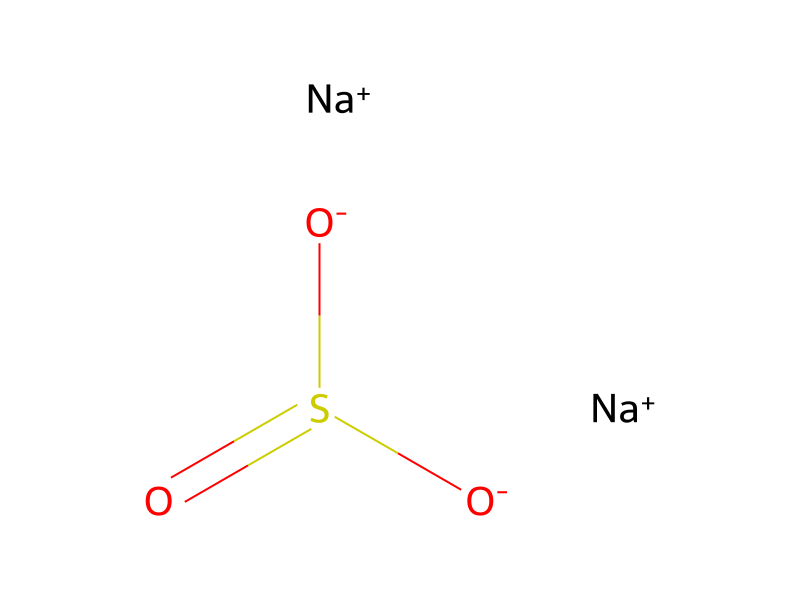
[N+:1]([C:4]1[CH:9]=[CH:8][CH:7]=[CH:6][C:5]=1[C:10]1[S:11][C:12]2[C:17]([N:18]=1)=[CH:16][C:15]([C:19](OC)=[O:20])=[CH:14][N:13]=2)([O-:3])=[O:2].[H-].[Al+3].[Li+].[H-].[H-].[H-].CC(C)=O.[O-]S([O-])=O.[Na+].[Na+]>C1COCC1>[N+:1]([C:4]1[CH:9]=[CH:8][CH:7]=[CH:6][C:5]=1[C:10]1[S:11][C:12]2[C:17]([N:18]=1)=[CH:16][C:15]([CH2:19][OH:20])=[CH:14][N:13]=2)([O-:3])=[O:2]Komponenten
6
Edukt 4



Produkt 1

Reagenzien, Katalysatoren, Lösungsmittel 1

Reaktionsbedingungen
- Temperatur
- -60 °C
Versuchsvorschrift
A solution of methyl 2-(2-nitrophenyl)thiazolo[5,4-b]pyridine-6-carboxylate (1 eq) in THF was added over 8 h to a mixture of lithium aluminum hydride (LAH) (4.4 eq) in THF maintaining the internal temperature at −55° C. The reaction mixture was stirred an additional 4 h at −60° C. Acetone (18 eq) was added followed by sat. aq Na2SO3. The resultant solids were removed by filtration and rinsed with THF. The combined organics were concentrated in vacuo and the crude residue crystallized from CH2Cl2 to give (2-(2-nitrophenyl)thiazolo[5,4-b]pyridin-6-yl)methanol (50% yield).
Aufarbeitung
- customThe resultant solids were removed by filtration
- washrinsed with THF
- concentrationThe combined organics were concentrated in vacuo
- customthe crude residue crystallized from CH2Cl2
Quellen und Nachweise
- ORD-Eintrag
- ord-648cd71498164daca865e58763ac91a7
- Quelldatensatz
- uspto-grants-2013_01
- Patentnummer
- US08343997B2
Notizen zur Reaktion
Wird geladen…