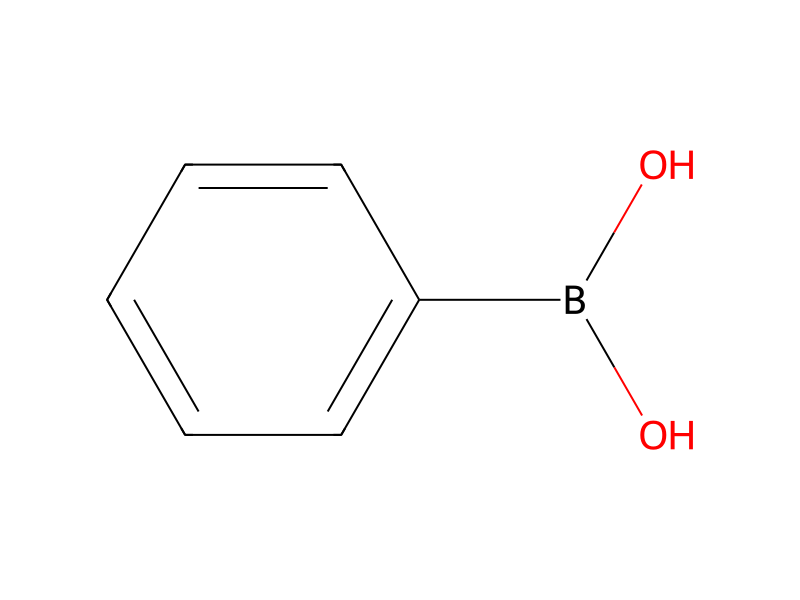
Br[C:2]1[CH:3]=[CH:4][C:5]([O:13][CH3:14])=[C:6]2[C:11]=1[NH:10][C:9](=[O:12])[CH2:8][CH2:7]2.C(=O)([O-])[O-].[K+].[K+].[C:21]1(B(O)O)[CH:26]=[CH:25][CH:24]=[CH:23][CH:22]=1>O1CCOCC1.C1C=CC([P]([Pd]([P](C2C=CC=CC=2)(C2C=CC=CC=2)C2C=CC=CC=2)([P](C2C=CC=CC=2)(C2C=CC=CC=2)C2C=CC=CC=2)[P](C2C=CC=CC=2)(C2C=CC=CC=2)C2C=CC=CC=2)(C2C=CC=CC=2)C2C=CC=CC=2)=CC=1>[CH3:14][O:13][C:5]1[CH:4]=[CH:3][C:2]([C:21]2[CH:26]=[CH:25][CH:24]=[CH:23][CH:22]=2)=[C:11]2[C:6]=1[CH2:7][CH2:8][C:9](=[O:12])[NH:10]28-Bromo-5-methoxy-3,4-dihydro-1H-quinolin-2-one (10.0 g), tetrakis(triphenylphosphine)palladium (0.45 g) and potassium carbonate (5.4 g) were suspended in dioxane (100 ml), and phenylboronic acid (5.24 g) was added, followed by heating under reflux in an argon atmosphere for 2 hours. The reaction mixture was concentrated under reduced pressure, water was added to the residue, and the resulting mixture was subjected to extraction with ethyl acetate. The extract was washed twice with water, washed with a saturated sodium chloride solution, dried over magnesium sulfate, filtered, and concentrated under reduced pressure. The residue was recrystallized from an ethyl acetate-n-hexane mixed solvent to thereby obtain 8.3 g (yield: 84%) of 5-methoxy-8-phenyl-3,4-dihydro-1H-quinolin-2-one as a light yellow powder.