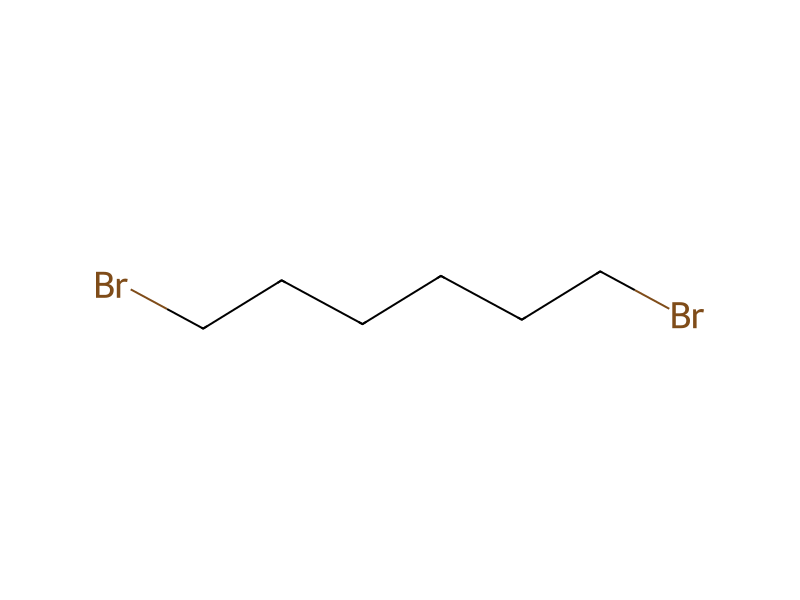
[C:1]([O:5][C:6]([N:8]1[CH2:13][CH2:12][CH:11]([S:14][C:15](=O)[CH3:16])[CH2:10][CH2:9]1)=[O:7])([CH3:4])([CH3:3])[CH3:2].CO.C[O-].[Na+].[Br:23][CH2:24][CH2:25][CH2:26][CH2:27]CCBr>C1COCC1.CO>[Br:23][CH2:24][CH2:25][CH2:26][CH2:27][CH2:16][CH2:15][S:14][CH:11]1[CH2:12][CH2:13][N:8]([C:6]([O:5][C:1]([CH3:4])([CH3:3])[CH3:2])=[O:7])[CH2:9][CH2:10]1To a solution of N-t-butyloxycarbonyl-4-acetylthiopiperidine (5.5 g) in a mixture of THF (50 ml) and methanol (50 ml) was added 28% sodium methoxide methanol solution (4.76 ml) with stirring under ice-cooling and stirred at the same temperature for 30 minutes. To the solution was added 1,6-dibromohexane (17.1 g) under ice-cooling, and the mixture was successively stirred at ambient temperature for 30 minutes and then stirred at 45° C. for 2 hours. The reaction mixture was concentrated in vacuo. The resulting residue was chromatographed on silica gel (500 ml) eluting with a mixture of n-hexane and ethyl acetate (6:1 v/v). The fractions containing the desired compound were collected and evaporated under reduced pressure to give 4-(6-bromohexylthio)-N-t-butyloxycarbonylpiperidine (4.95 g).