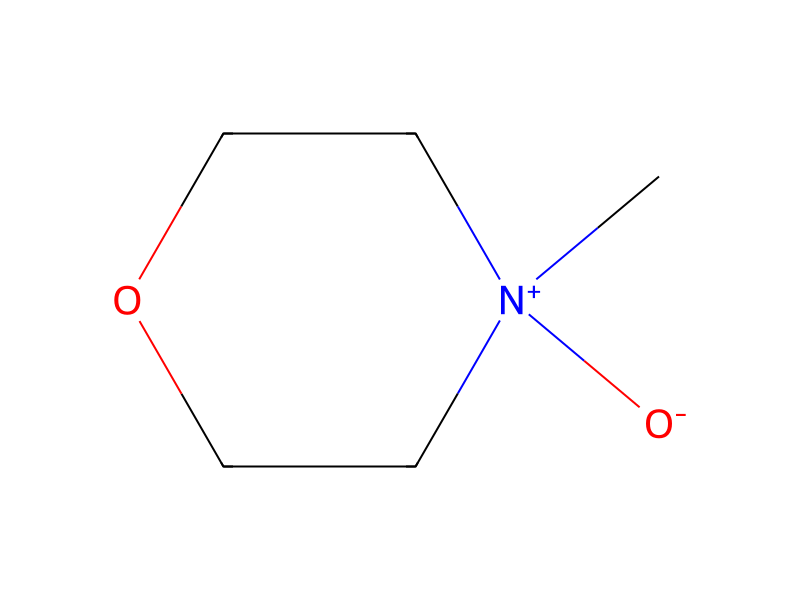
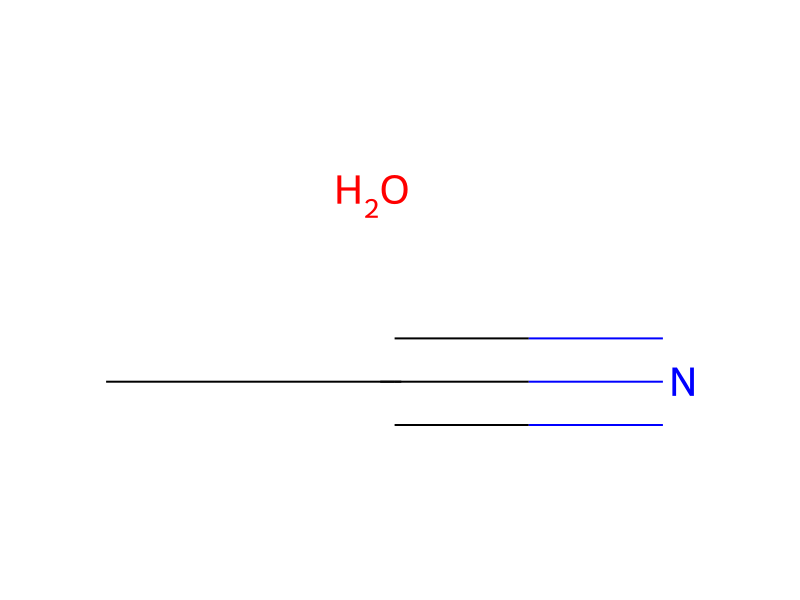
[Br:1][C:2]1[C:3](=[O:29])[N:4]([C:21]2[C:26]([F:27])=[CH:25][CH:24]=[CH:23][C:22]=2[F:28])[C:5]([CH3:20])=[C:6]([CH:18]=[CH2:19])[C:7]=1[O:8][CH2:9][C:10]1[CH:15]=[CH:14][C:13]([F:16])=[CH:12][C:11]=1[F:17].C[N+]1([O-])CCOCC1.C(#N)C.[OH2:41].[OH2:42].CC(C)=O>[Os](=O)(=O)(=O)=O>[Br:1][C:2]1[C:3](=[O:29])[N:4]([C:21]2[C:22]([F:28])=[CH:23][CH:24]=[CH:25][C:26]=2[F:27])[C:5]([CH3:20])=[C:6]([CH:18]([OH:42])[CH2:19][OH:41])[C:7]=1[O:8][CH2:9][C:10]1[CH:15]=[CH:14][C:13]([F:16])=[CH:12][C:11]=1[F:17]To a room temperature solution of 3-bromo-4-[(2,4-difluorobenzyl)oxy]-1-(2,6-difluorophenyl)-6-methyl-5-vinylpyridin-2(1H)-one (0.970 g, 2.07 mmol) in water/acetone 1:3 (8.7 mL) was added, sequentially, osmium tetroxide (0.110 g, 0.433 mmol) and N-methyl morpholine oxide (1.32 g, 11.2 mmol). The resulting solution was stirred for one hour until complete consumption of starting material by LCMS analysis, and the reaction was concentrated in vacuo. The resulting dark residue was subjected to SiO2 chromatography with ethyl acetate/hexanes (3:7) to furnish a solid. 1H NMR (400 MHz, CDCl3) δ 7.59 (app q, J=8.2 Hz, 1H), 7.45 (ddd, J=14.7, 8.5, 6.8 Hz, 1H), 7.08 (app t, J=8.5 Hz, 2H), 6.94 (app t, J=8.2 Hz, 1H), 6.88 (app t, J=8.5 Hz, 1H), 5.31 (AB-q, J=10.6 Hz, Δ=38.3 Hz, 2H), 5.07 (dd, J=9.1, 3.8 Hz, 1H), 3.83 (t, J=10.8 Hz, 1H), 3.60 (dd, J=11.4, 3.9 Hz, 1H), 2.94 (br s, 1H), 2.16 (s, 3H); LC/MS C-18 column, tr=2.26 minutes (5 to 95% acetonitrile/water over 5 minutes at 1 ml/min with detection 254 nm, at 50° C.). ES-MS m/z 502 (M+H). ES-HRMS m/z 502.0276 (M+H calcd for C21H17BrF4NO4 requires 502.0272).