Reaktionsgleichung

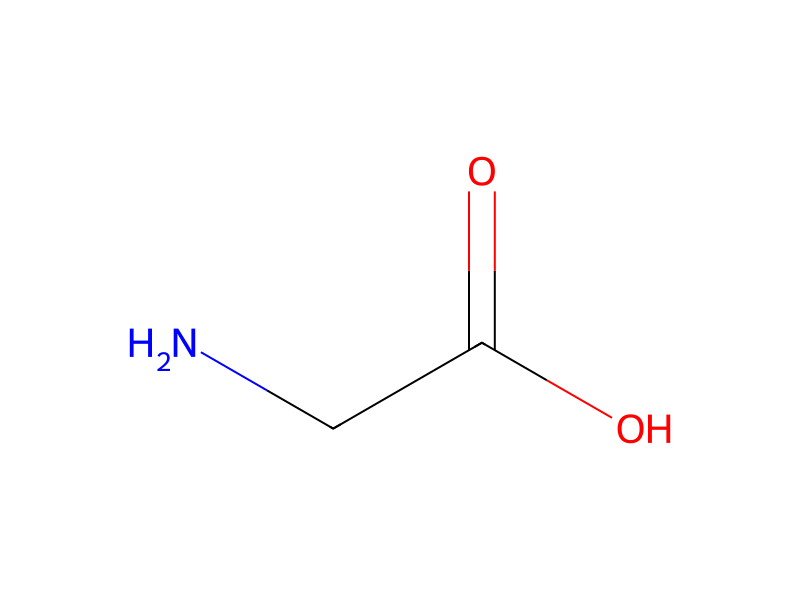
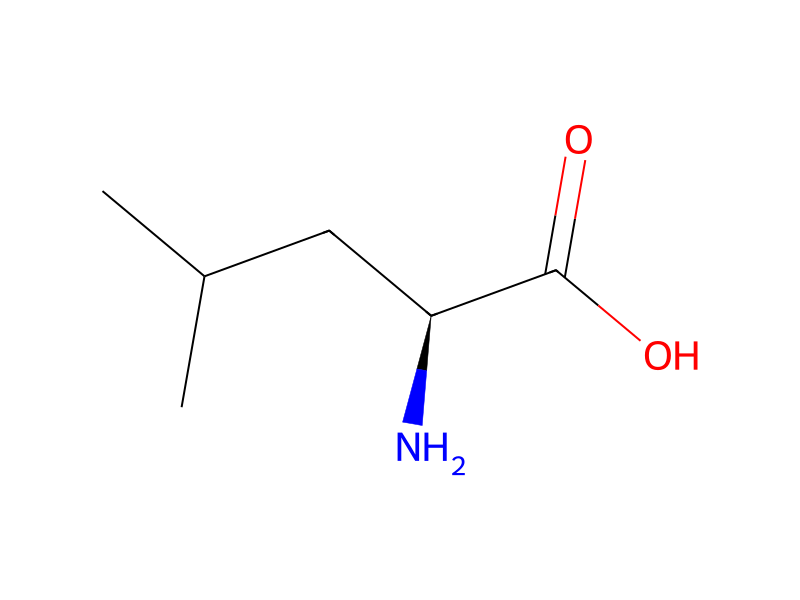
[NH2:1][C@H:2]([C:7]([OH:9])=[O:8])[CH2:3][CH:4]([CH3:6])[CH3:5].Cl.[NH2:11][C@H:12]([C:20]([OH:22])=[O:21])[CH2:13][CH2:14][CH2:15][NH:16][C:17](=[NH:19])[NH2:18].[NH2:23][CH2:24][C:25]([OH:27])=[O:26].CC(C[C@H](NC(C)=O)C(N[C@H](C(N[C@H](C(O)=O)CCCN=C(N)N)=O)CC(C)C)=O)C>>[NH2:1][C@H:2]([C:7]([OH:9])=[O:8])[CH2:3][CH:4]([CH3:6])[CH3:5].[NH2:11][C@H:12]([C:20]([OH:22])=[O:21])[CH2:13][CH2:14][CH2:15][NH:16][C:17](=[NH:18])[NH2:19].[NH2:23][CH2:24][C:25]([OH:27])=[O:26]Komponenten
7


Versuchsvorschrift
As seen from Table 4, when L-leucine, L-arginine hydrochloride, and glycine were added to the medium in an amount of each 0.25%, the yield of leupeptin in 72 hours of cultivation was insignificant, whereas when each 0.5 to 1.25% of said amino acids were added, the yield of leupeptin in the same period of cultivation was as high as 2,560 to 4,370 mcg/ml. However, when the amount of said amino acids was increased to each 1.50%, only insignificant amount of leupeptin was produced. These results confirmed that a high yield of leupeptin is obtained specifically when each 0.5 to 1.25% of L-leucine, L-arginine (as hydrochloride), and glycine is added to the medium.
Aufarbeitung
- additionwere added to the medium in an amount of each 0.25%
- customwas produced
Quellen und Nachweise
- ORD-Eintrag
- ord-029846f3f21c4cf9a63d7b3f844129a6
- Quelldatensatz
- uspto-grants-1978_01
- Patentnummer
- US04066507
Verknüpfte Notizen
Wird geladen…