Potassium Carbonate → 3-{3-[4-(2-hydroxyacetyl)piperazin-1-yl]-propyl} 4,5,6,7-tetrahydro-1H-indole-2-carbaldehyde
HRID 1836142
Reaktionsgleichung

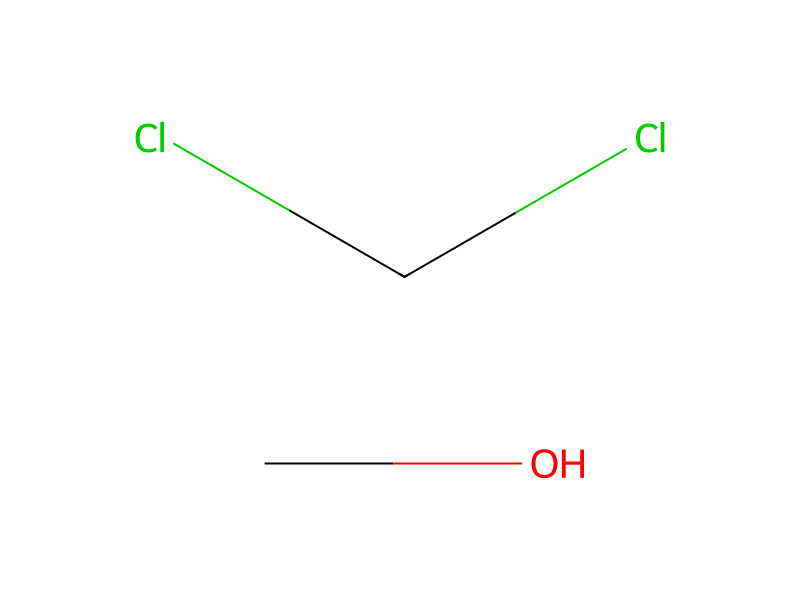
[CH:1]([C:3]1[NH:4][C:5]2[CH2:6][CH2:7][CH2:8][CH2:9][C:10]=2[C:11]=1[CH2:12][CH2:13][CH2:14][N:15]1[CH2:20][CH2:19][N:18]([C:21](=[O:27])[CH2:22][O:23]C(=O)C)[CH2:17][CH2:16]1)=[O:2].C(=O)([O-])[O-].[K+].[K+].CO.O>ClCCl.CO>[OH:23][CH2:22][C:21]([N:18]1[CH2:17][CH2:16][N:15]([CH2:14][CH2:13][CH2:12][C:11]2[C:10]3[CH2:9][CH2:8][CH2:7][CH2:6][C:5]=3[NH:4][C:3]=2[CH:1]=[O:2])[CH2:20][CH2:19]1)=[O:27]Komponenten
5
Edukt 3



Produkt 1

Reagenzien, Katalysatoren, Lösungsmittel 1