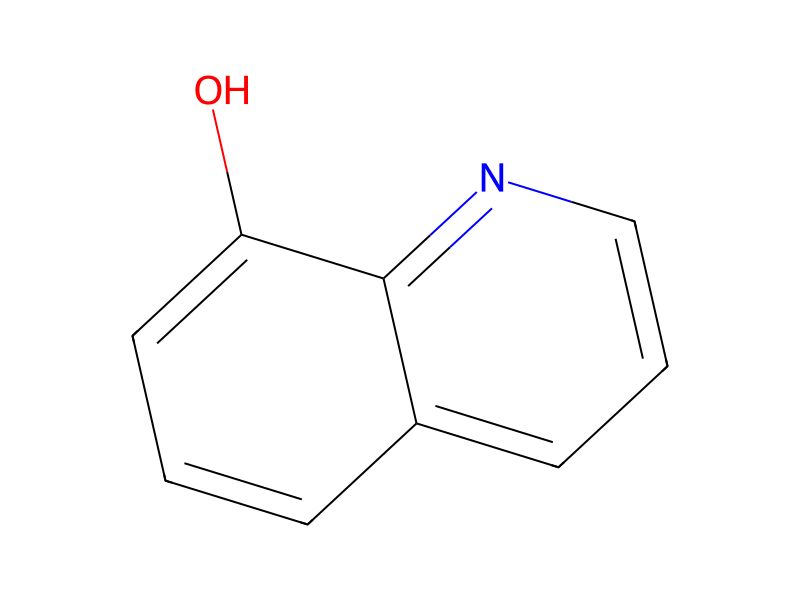
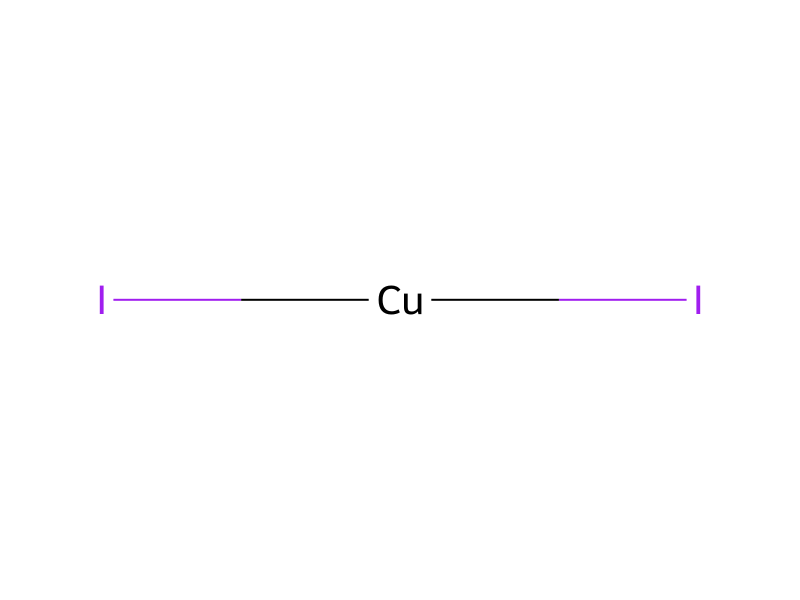
8-Hydroxyquinoline → 2-(4-(trifluoromethyl)pyridin-3-yl)-2,5-dihydro-1H-pyrido[4,3-b]indol-1-one
HRID 1843995
Reaktionsgleichung

CC1C=CN=CC=1N1C=CC2NC3C=CC=CC=3C=2C1=O.[C:22]1(=[O:35])[C:34]2[C:33]3[CH:32]=[CH:31][CH:30]=[CH:29][C:28]=3[NH:27][C:26]=2[CH:25]=[CH:24][NH:23]1.Br[C:37]1[CH:38]=[N:39][CH:40]=[CH:41][C:42]=1[C:43]([F:46])([F:45])[F:44].OC1C=CC=C2C=1N=CC=C2.C([O-])([O-])=O.[K+].[K+]>[Cu](I)I.CS(C)=O>[F:44][C:43]([F:46])([F:45])[C:42]1[CH:41]=[CH:40][N:39]=[CH:38][C:37]=1[N:23]1[CH:24]=[CH:25][C:26]2[NH:27][C:28]3[CH:29]=[CH:30][CH:31]=[CH:32][C:33]=3[C:34]=2[C:22]1=[O:35]