StartseiteMCPWorkbenchSkills
StartseiteWorkbenchBenachrichtigungenMein Bereich
llms.txt · MCP-AnleitungDatenschutz · Nutzungsbedingungen · Supportv1.8.0
  1. Startseite
  2. /Reaktion

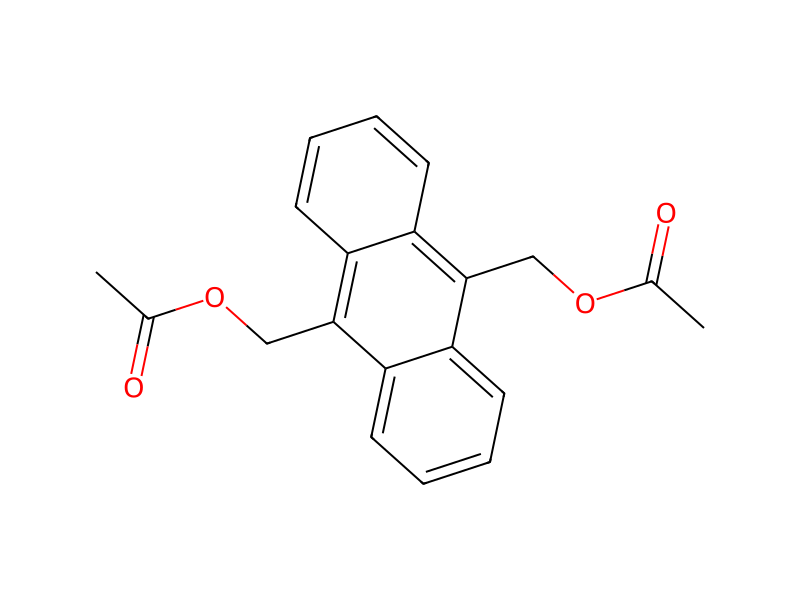
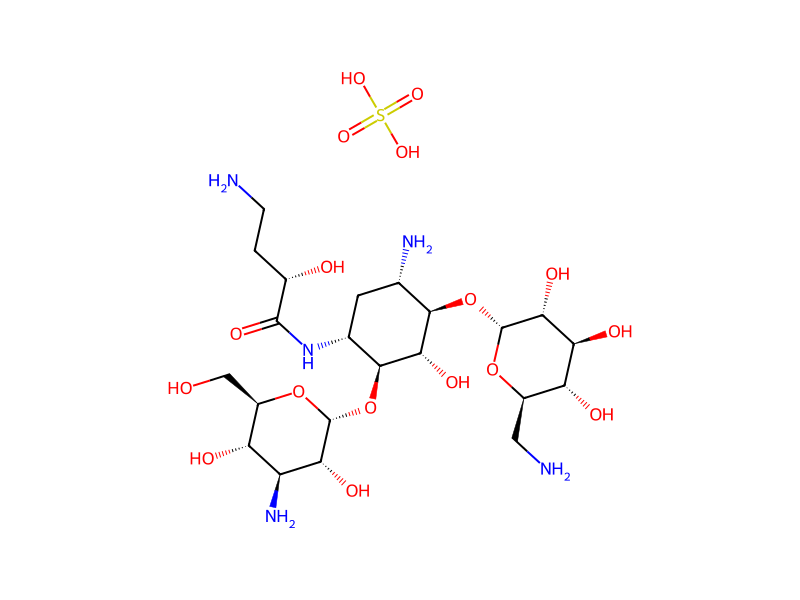
Acetic acid 10-acetoxymethyl-anthracen-9-ylmethyl ester → Amikacin Sulfate Salt

HRID 1856058
Notizen
Druckvorschau

Reaktionsgleichung

Reaktionsgleichung von HRID 1856058
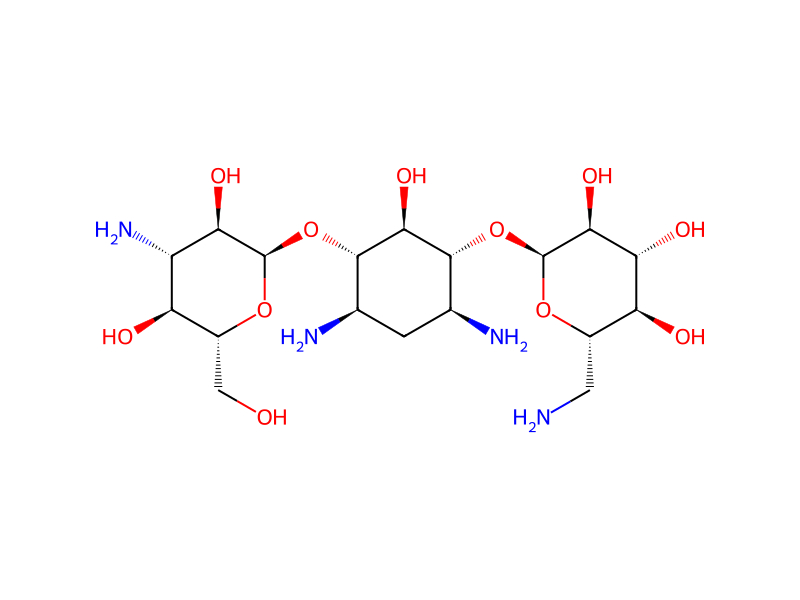
CC(OCC1C2C(=CC=CC=2)C(COC(C)=O)=C2C=1C=CC=C2)=O.[CH2:25]1[C@@H:30]([NH:31][C:32]([C@@H:34]([OH:38])[CH2:35][CH2:36][NH2:37])=[O:33])[C@H:29]([O:39][C@H:40]2[O:45][C@H:44]([CH2:46][OH:47])[C@@H:43]([OH:48])[C@H:42]([NH2:49])[C@H:41]2[OH:50])[C@@H:28]([OH:51])[C@H:27]([O:52][C@H:53]2[O:58][C@H:57]([CH2:59][NH2:60])[C@@H:56]([OH:61])[C@H:55]([OH:62])[C@H:54]2[OH:63])[C@H:26]1[NH2:64].[OH:65][S:66]([OH:69])(=[O:68])=[O:67]>>[CH2:25]1[C@@H:30]([NH:31][C:32]([C@@H:34]([OH:38])[CH2:35][CH2:36][NH2:37])=[O:33])[C@H:29]([O:39][C@H:40]2[O:45][C@H:44]([CH2:46][OH:47])[C@@H:43]([OH:48])[C@H:42]([NH2:49])[C@H:41]2[OH:50])[C@@H:28]([OH:51])[C@H:27]([O:52][C@H:53]2[O:58][C@H:57]([CH2:59][NH2:60])[C@@H:56]([OH:61])[C@H:55]([OH:62])[C@H:54]2[OH:63])[C@H:26]1[NH2:64].[OH:68][S:66]([OH:69])(=[O:67])=[O:65].[CH2:25]1[C@H:26]([NH2:64])[C@@H:27]([O:52][C@@H:53]2[O:58][C@@H:57]([CH2:59][NH2:60])[C@H:56]([OH:61])[C@@H:55]([OH:62])[C@@H:54]2[OH:63])[C@H:28]([OH:51])[C@@H:29]([O:39][C@H:40]2[O:45][C@H:44]([CH2:46][OH:47])[C@@H:43]([OH:48])[C@H:42]([NH2:49])[C@H:41]2[OH:50])[C@@H:30]1[NH2:31]
KomponentenVersuchsvorschriftAufarbeitungQuellen und NachweiseNotizen zur Reaktion

Komponenten

4

Edukt 2

HCID 613145Acetic acid 10-acetoxymethyl-anthracen-9-ylmethyl esterHCID 5458175Amikacin Sulfate Salt

Produkt 2

HCID 5458175Amikacin Sulfate SaltHCID 11274101(2S,3R,4R,5S,6S)-2-(aminomethyl)-6-[(1R,2R,3S,4R,6S)-4,6-diamino-3-[(2S,3R,4S,5S,6R)-4-amino-3,5-dihydroxy-6-(hydroxymethyl)oxan-2-yl]oxy-2-hydroxycyclohexyl]oxyoxane-3,4,5-triol

Versuchsvorschrift

A solution of 150 mg. of 1-N-[(S)-4-amino-2-hydroxybutyryl]kanamycin A (BB-K8; U.S. Pat. No. 3,781,268) in 10 ml. of trifluoroacetic acid was prepared at 0° C. The solution was evaporated to dryness in vacuo and dried under high vacuum at 20° C. for 15 minutes to yield a glassy solid. This was dissolved in dry tetrahydrofuran (5 ml.) and a 1 M solution of diborane in tetrahydrofuran (20 ml.) was added in portions, under an atmosphere of nitrogen. The resulting clear solution was heated at 50° C. for 3 hours, allowed to stand at room temperature for 16 hours and heated for a further three hours at 50° C. The excess diborane was decomposed by the cautious addition of a few drops of water and the organic solvent was then removed by evaporation under reduced pressure. The residue was dissolved in water (10 ml.) and basified with 0.1 N aqueous sodium hydroxide. The pH of the resulting solution was adjusted to 5 by the addition of 2 N hydrochloric acid. The solution was then chromatographed on a column containing 50 ml. of a sulfonated polystyrene, cationic ion-exchange resin, in the ammonium-ion form, eluting in turn with distilled water to remove inorganic solids, and then with a gradient of aqueous ammonium hydroxide of increasing concentration from 0.1 to 1.0 N. Fractions containing the product (as monitored by thin layer chromatography) were combined and evaporated in vacuo to give 1-N-[(S)-4-amino-2-hydroxybutyl]kanamycin A (75 mg., 50% yield), [α]D25 =73° (c l.0 in H2 0). The infrared spectrum confirmed the absence of the amide carbonyl band observed in BB-K8 at 1635 cm-1. The mass spectrum (field desorption) showed a strong P+1 peak at m/e=572. Thin-layer electrophoresis: Rf =0.6 (The electrolyte was an equipart mixture of acetic and formic acids, giving a pH value of 2, and a potential difference of 900 volts was applied across the ends of the 20 cm silica coated plate for 45 minutes. Detection was performed by drying the plate, spraying with a cyclohexane solution of tertiary-butyl hypochlorite and then drying, cooling and developing the plate with starch-potassium iodide solution. Under these conditions the reference standard BB-K8 gave an Rf value of 1.0 and kanamycin A an Rf value of 0.9.

Aufarbeitung

  1. customgiving a pH value of 2
  2. customby drying the plate
  3. customdrying
  4. temperaturecooling

Quellen und Nachweise

ORD-Eintrag
ord-286337a7d95849458a8679536a7107df
Quelldatensatz
uspto-grants-1980_08
DOI
10.6084/m9.figshare.5104873.v1
Patentnummer
US04217446

Notizen zur Reaktion

Wird geladen…

Auf dieser SeiteKomponentenVersuchsvorschriftAufarbeitungQuellen und NachweiseNotizen zur Reaktion