StartseiteMCPWorkbenchSkills
StartseiteWorkbenchBenachrichtigungenMein Bereich
llms.txt · MCP-AnleitungDatenschutz · Nutzungsbedingungen · Supportv1.8.3
  1. Startseite
  2. /Reaktion

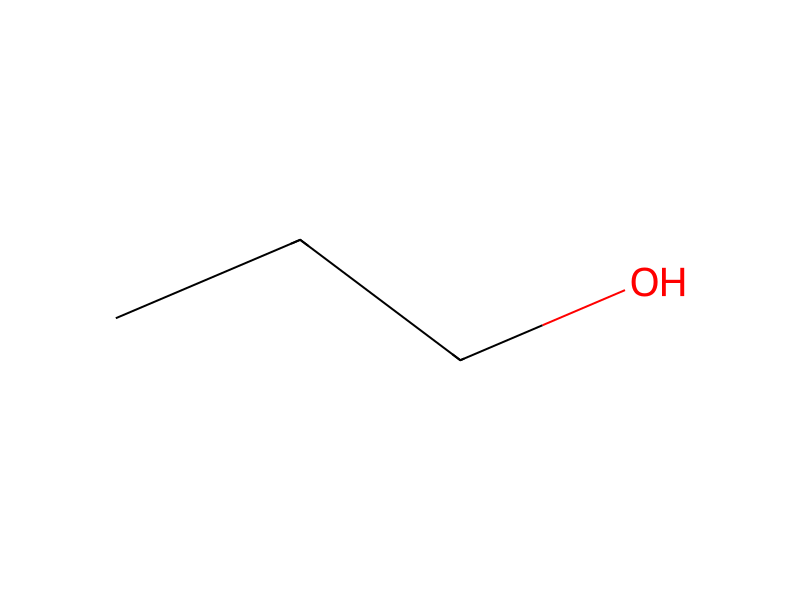
1-Propanol → HCID 20392015, Verbindung

HRID 1863515
Drucken

Reaktionsgleichung

Reaktionsgleichung von HRID 1863515
[N:1]1[CH:6]=[CH:5][C:4]([C:7]2[O:8][C:9]3[CH:15]=[CH:14][CH:13]=[CH:12][C:10]=3[N:11]=2)=[CH:3][CH:2]=1.[CH2:16]([Cl:23])[C:17]1[CH:22]=[CH:21][CH:20]=[CH:19][CH:18]=1.C(O)CC>CS(C)=O>[Cl-:23].[O:8]1[C:9]2[CH:15]=[CH:14][CH:13]=[CH:12][C:10]=2[N:11]=[C:7]1[C:4]1[CH:3]=[CH:2][N+:1]([CH2:16][C:17]2[CH:22]=[CH:21][CH:20]=[CH:19][CH:18]=2)=[CH:6][CH:5]=1
KomponentenVersuchsvorschriftAufarbeitungQuellen und NachweiseNotizen zur Reaktion

Komponenten

5

Edukt 3

HCID 10311-PropanolHCID 7503Benzyl ChlorideHCID 168042-(Pyridin-4-yl)-1,3-benzoxazole

Produkt 1

HCID 20392015HCID 20392015, VerbindungAusbeute 39,8 %

Reagenzien, Katalysatoren, Lösungsmittel 1

HCID 679Dimethyl SulfoxideLösungsmittel

Versuchsvorschrift

A solution of 117.0 g of 2-(4-pyridinyl)benzoxazole and 95.0 g of benzyl chloride in 1 liter of a 9:1 mixture of n-propanol and dimethylsulfoxide is heated at reflux for 72 hours. The solvent mixture is then removed and the residue suspended in 100 ml of water. The crystalline product which separates is filtered, washed with acetone, and dried to give 76.6 g of product. Concentration of the mother liquors gives an additional 27.8 g of product, melting point 194°-196° C., dec. Recrystallization from water and drying in a vacuum at 100° C. for 5 hours raises the melting point to 216°-217° C., dec.

Aufarbeitung

  1. temperatureis heated
  2. temperatureat reflux for 72 hours
  3. customThe solvent mixture is then removed
  4. filtrationThe crystalline product which separates is filtered
  5. washwashed with acetone
  6. customdried

Quellen und Nachweise

ORD-Eintrag
ord-da1674f54c5a4d268df960aeb12ebab5
Quelldatensatz
uspto-grants-1979_09
DOI
10.6084/m9.figshare.5104873.v1
Patentnummer
US04169200

Notizen zur Reaktion

Auf dieser SeiteKomponentenVersuchsvorschriftAufarbeitungQuellen und NachweiseNotizen zur Reaktion