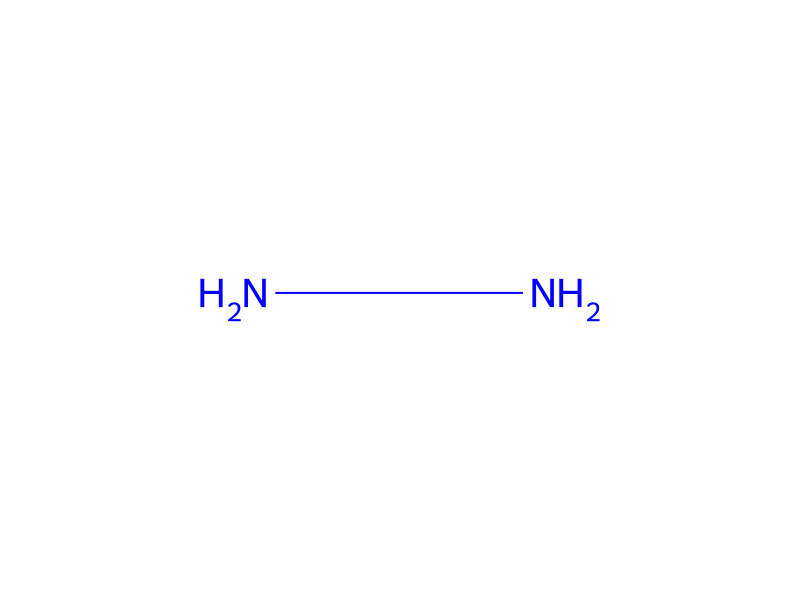
NN.[F:3][C:4]1[C:9]([F:10])=[CH:8][CH:7]=[CH:6][C:5]=1[C@@H:11]1[CH2:21][CH2:20][C@@H:19]([N:22]2C(=O)C3C(=CC=CC=3)C2=O)[C:14]2=[N:15][CH:16]=[CH:17][CH:18]=[C:13]2[C@H:12]1[NH:33][C:34](=[O:40])[O:35][C:36]([CH3:39])([CH3:38])[CH3:37]>CO>[NH2:22][C@H:19]1[C:14]2=[N:15][CH:16]=[CH:17][CH:18]=[C:13]2[C@@H:12]([NH:33][C:34](=[O:40])[O:35][C:36]([CH3:39])([CH3:38])[CH3:37])[C@H:11]([C:5]2[CH:6]=[CH:7][CH:8]=[C:9]([F:10])[C:4]=2[F:3])[CH2:21][CH2:20]1A mixture of hydrazine (1 mL, 31.9 mmol) and tert-butyl (5S,6S,9R)-6-(2,3-difluorophenyl)-9-(1,3-dioxoisoindolin-2-yl)-6,7,8,9-tetrahydro-5H-cyclohepta[b]pyridin-5-ylcarbamate (0.428 g, 0.823 mmol) in methanol (5 mL) was heated using an oil bath (70° C.) for 4 h. LCMS showed no starting material remaining. The solvent was removed via vacuum and the crude residue was partitioned between ethyl acetate and water. The ethyl acetate layer was separated, dried (sodium sulfate), filtered and concentrated. Flash chromatography using methanol in methylene chloride from 0 to 10% gave the desired product (164 mg, 51%): MS(ESI)[M+H+]=390.19; 1H NMR (400 MHz, CHLOROFORM-d) δ ppm 8.46 (1H, d, J=4.0 Hz), 7.63 (1H, d, J=7.5 Hz), 7.18 (1H, dd, J=7.7, 4.9 Hz), 6.92-7.08 (3H, m), 5.24 (1H, t, J=8.8 Hz), 4.50 (1H, dd, J=9.3, 2.5 Hz), 3.18 (1H, br. s.), 2.83 (2H, br. s.), 2.04-2.24 (3H, m), 1.57 (1H, d, J=9.0 Hz), 1.31 (9H, s), 0.68-0.92 (1H, m).