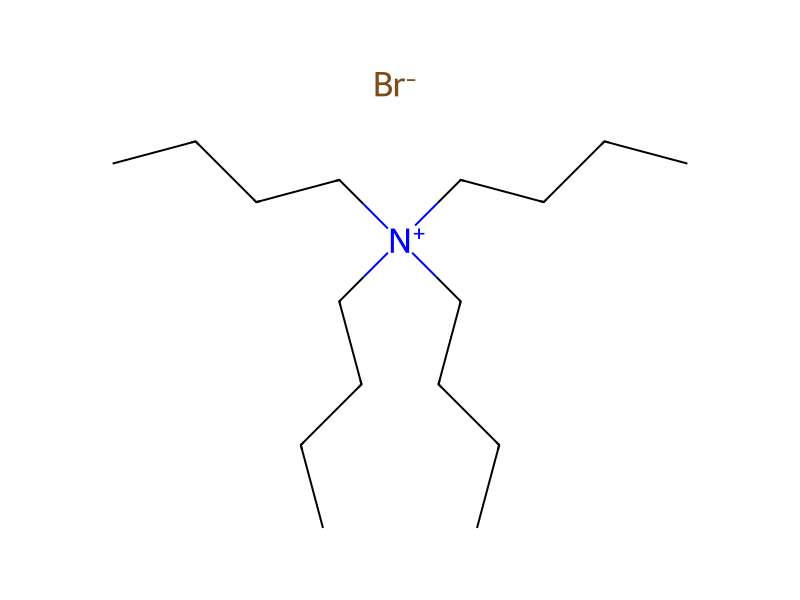
[CH3:1][O:2][C:3]1[CH:4]=[C:5]([CH2:11][CH2:12][NH:13][C:14](=[O:28])[C:15]([C:18]2[CH:27]=[CH:26][C:25]3[CH2:24][CH2:23][CH2:22][CH2:21][C:20]=3[CH:19]=2)=[CH:16][OH:17])[CH:6]=[CH:7][C:8]=1[O:9][CH3:10].[OH-].[K+].Cl[CH:32]([F:34])[F:33]>[Br-].C([N+](CCCC)(CCCC)CCCC)CCC.COCCOC>[F:33][CH:32]([F:34])[O:17][CH:16]=[C:15]([C:18]1[CH:27]=[CH:26][C:25]2[CH2:24][CH2:23][CH2:22][CH2:21][C:20]=2[CH:19]=1)[C:14]([NH:13][CH2:12][CH2:11][C:5]1[CH:6]=[CH:7][C:8]([O:9][CH3:10])=[C:3]([O:2][CH3:1])[CH:4]=1)=[O:28]Five hundred milligrams (500 mg) of N-[2-(3,4-dimethoxyphenyl)ethyl]-3-hydroxy-2-(5,6,7,8-tetrahydronaphthalen-2-yl)acrylamide (1.31 mmol), 1.80 g (3.28 mmol) of 10% aqueous potassium hydroxide solution, 87 mg (0.262 mmol) of tetrabutylammonium bromide and 10 ml of ethylene glycol dimethyl ether were mixed and chlorodifluoromethane gas was blown thereto at room temperature. A sample was taken out from the reaction mixture and the disappearance of the starting material was confirmed by thin layer chromatograph analysis. Then, 5% hydrochrolic acid was added to the reaction mixture, which was followed by extracted with ethyl acetate, washed with 5% hydrochrolic acid, saturated aqueous sodium bicarbonate solution and saturated brine subsequently, dried over anhydrous magnesium sulfate and concentrated under reduced pressure. The residue was subjected to silica gel chromatography (eluent, hexane:ethyl acetate=2:1) and the obtained residue was washed with hexane to give 350 mg of 3-difluoromethoxy-N-[2-(3,4-dimethoxyphenyl)ethyl]-2-(5,6,7,8-tetrahydronaphthalen-2-yl)acrylamide (the present compound 1104).