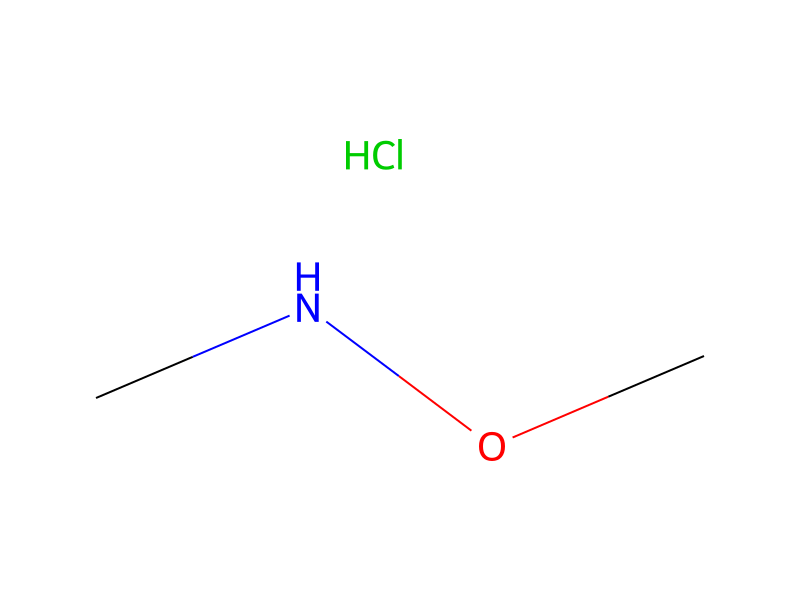
To a solution of 4-fluoro-2-phenylamino-benzoic acid (10 g, 43.2 mmol) in DMF (100 mL) was added O-benzotriazole-N,N,N′,N′-tetramethyl-uronium-hexafluorophosphate (HBTU) (32.8 g, 86.5 mmol), N,O-dimethylhydroxylamine hydrochloride (5.3 g, 86.5 mmol), and triethylamine (26.0 g, 36.2 mL, 259 mmol) at room temp. The resulting mixture was stirred for 24 hr at room temperature. The reaction mixture was diluted with ethyl acetate and the organic layer was washed with water and brine. The organic layer was dried over anhydrous Na2SO4 and volatiles were removed under reduced pressure. The crude material was purified using silica gel column chromatography (100% hexanes ramped to 30% ethyl acetate in hexanes). Further purification was accomplished by recrystallization from 10% ethyl acetate in petroleum ether. The product 4-fluoro-N-methoxy-N-methyl-2-phenylamino-benzamide (9.35 g, 79%) was obtained as an off-white solid.