Reaktionsgleichung
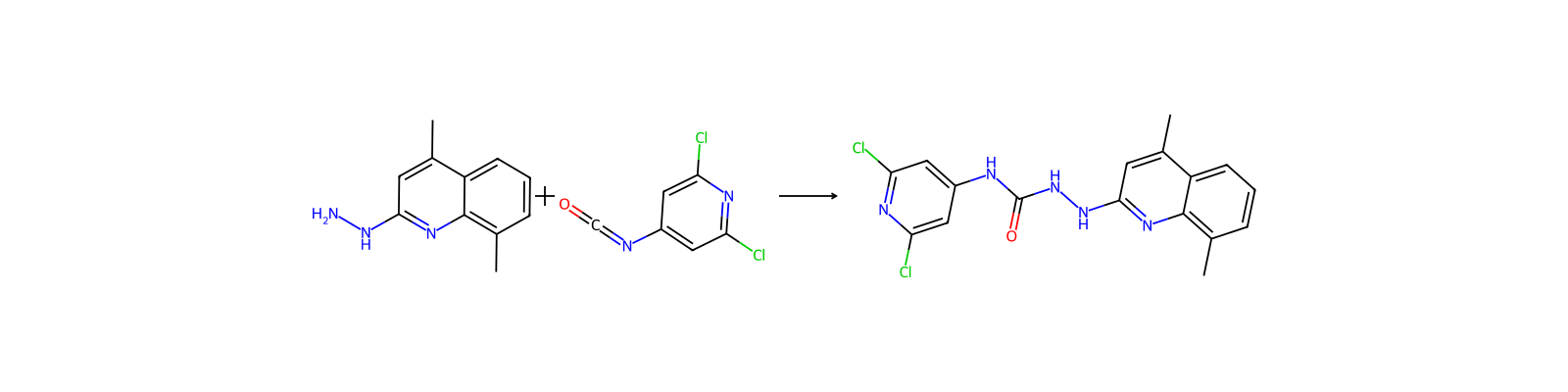
[NH:1]([C:3]1[CH:12]=[C:11]([CH3:13])[C:10]2[C:5](=[C:6]([CH3:14])[CH:7]=[CH:8][CH:9]=2)[N:4]=1)[NH2:2].[Cl:15][C:16]1[CH:21]=[C:20]([N:22]=[C:23]=[O:24])[CH:19]=[C:18]([Cl:25])[N:17]=1>>[Cl:15][C:16]1[CH:21]=[C:20]([NH:22][C:23]([NH:2][NH:1][C:3]2[CH:12]=[C:11]([CH3:13])[C:10]3[C:5](=[C:6]([CH3:14])[CH:7]=[CH:8][CH:9]=3)[N:4]=2)=[O:24])[CH:19]=[C:18]([Cl:25])[N:17]=1Komponenten
3

Versuchsvorschrift
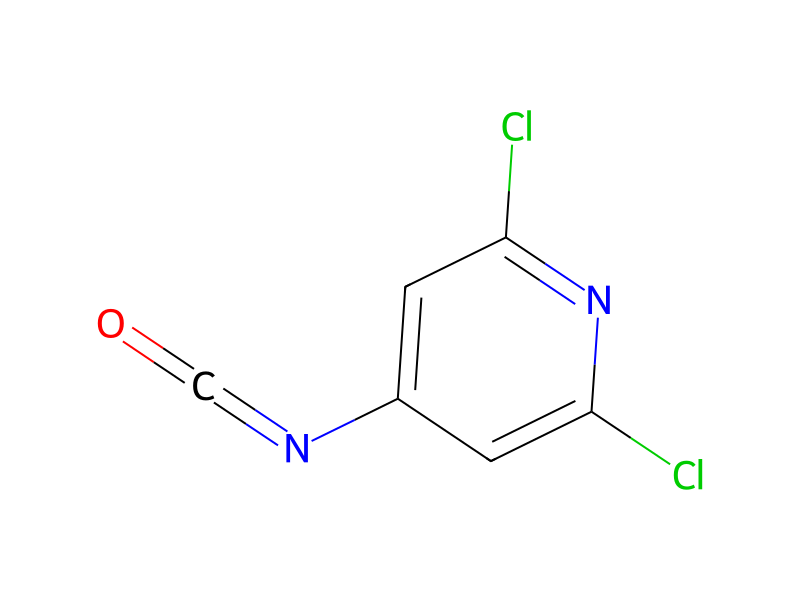
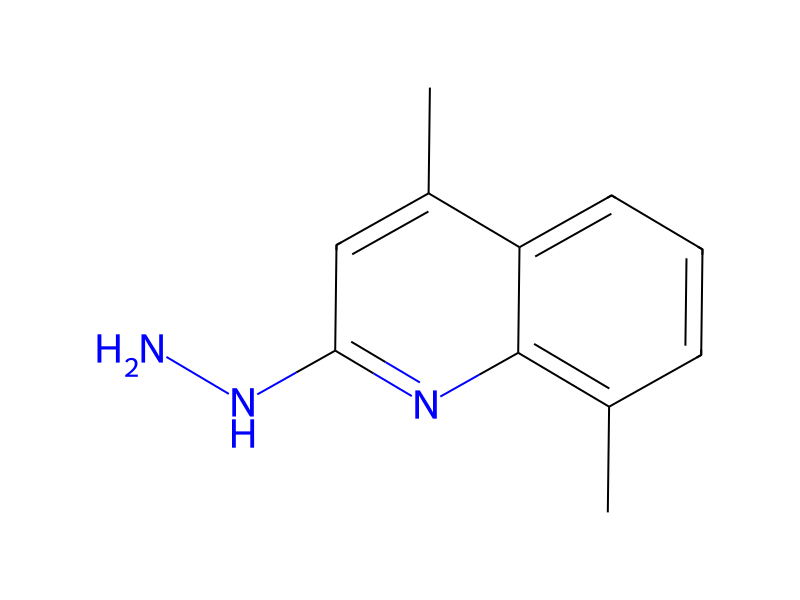
A solution of 2-hydrazinyl-4,8-dimethylquinoline (110 mg, 0.60 mmol) and 111 mg (1.0 eq) of 2,6-dichloro-4-isocyanatopyridine was reacted as outlined in Scheme 1 above to give the desired title compound. Spectroscopic data: 1H NMR (300 MHz, DMSO-d6) δ ppm 2.50 (s, 3 H) 2.56 (s, 3 H) 6.79 (s, 1 H) 7.18 (t, J=7.62 Hz, 1 H) 7.41 (d, J=7.03 Hz, 1 H) 7.70 (d, J=8.20 Hz, 2 H) 8.72 (s, 2 H).
Quellen und Nachweise
- ORD-Eintrag
- ord-14dc0746e03a4f76b610f4fee0d3a823
- Quelldatensatz
- uspto-grants-2013_08
- Patentnummer
- US08507682B2
Verknüpfte Notizen
Wird geladen…