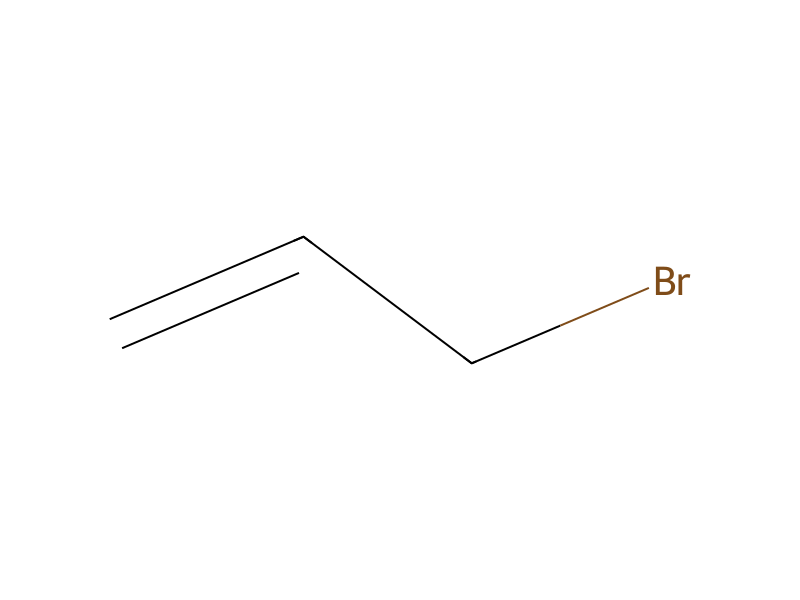
[CH2:1]([O:3][C:4]([C:6]1[N:7]=[CH:8][C:9]2[NH:10][C:11]3[C:16]([C:17]=2[CH:18]=1)=[CH:15][C:14]([NH:19][CH2:20][CH3:21])=[CH:13][CH:12]=3)=[O:5])[CH3:2].[CH:22]1(C2CCCCCCCCCC2)[CH2:32]CCCCC=CCC[CH2:23]1.C(Br)C=C>C(O)C>[CH2:1]([O:3][C:4]([C:6]1[N:7]=[CH:8][C:9]2[NH:10][C:11]3[C:16]([C:17]=2[CH:18]=1)=[CH:15][C:14]([N:19]([CH2:32][CH:22]=[CH2:23])[CH2:20][CH3:21])=[CH:13][CH:12]=3)=[O:5])[CH3:2]93 mg of 6-(N-ethylamino)-beta-carboline-3-carboxylic-acid-ethylester in 8 ml of absolute ethanol is heated together with 49 mg of 1,5-diaza-[5.4.0]bicycloundec-5-ene and 50 mg of allyl bromide under nitrogen for 2 h at 70° C. After evaporation, the substance is distributed in ethyl acetate and saturated sodium bicarbonate solution. The organic phase is dried, filtered and concentrated. The residue is chromatographed by means of 80 g of silica gel with methylene-chloride/ethanol (12/1) as the eluant, and, after recrystallizing out of ethyl-acetate/ether, 56 mg of 6-(N-allyl-N-ethylamino)-beta-carboline-3-carboxylic-acid-ethylester is obtained (m.p. 190°-192° C.).