Reaktionsgleichung

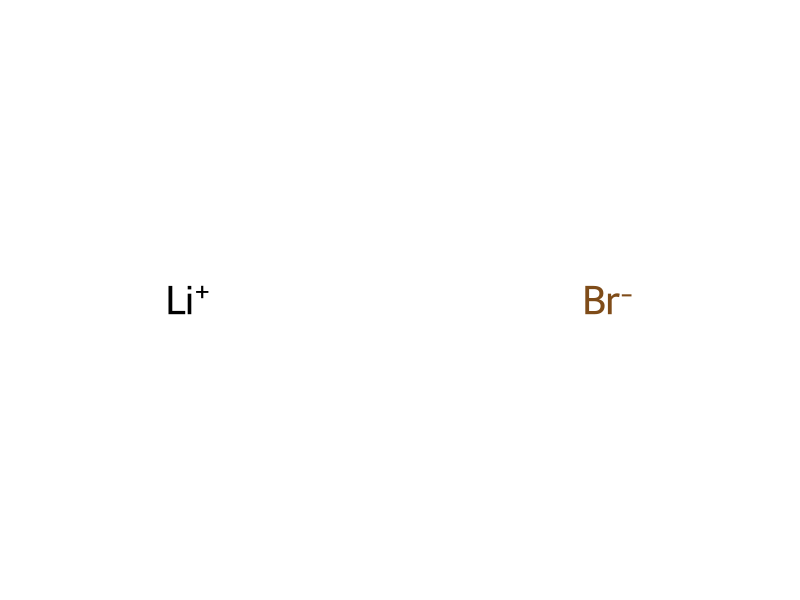
[CH3:1][C@@:2]([NH2:15])([C:12]([OH:14])=[O:13])[CH2:3][C:4]1[CH:5]=[CH:6][C:7]([OH:11])=[C:8]([OH:10])[CH:9]=1.[Br-].[Li+].[CH2:18](Br)[C:19]1[CH:24]=[CH:23][CH:22]=[CH:21][CH:20]=1>CN1CCCC1=O>[OH:10][C:8]1[CH:9]=[C:4]([CH2:3][C@@:2]([CH3:1])([C:12]([O:14][CH2:18][C:19]2[CH:24]=[CH:23][CH:22]=[CH:21][CH:20]=2)=[O:13])[NH2:15])[CH:5]=[CH:6][C:7]=1[OH:11]Komponenten
5
Edukt 3


Produkt 1

Reagenzien, Katalysatoren, Lösungsmittel 1

Reaktionsbedingungen
- Temperatur
- 25 °C
Versuchsvorschrift
In a manner similar to that described in Example I, 1.05 grams (0.005 mole) of α-methyldopa, 0.88 gram (0.010 mole) of lithium bromide, 0.5 gram of powdered 4A sieves, 0.98 gram (0.0057 mole) of benzyl bromide and 5.0 grams of N-methylpyrrolidinone were stirred for 65 hours at 25° C. At the end of this period, high pressure liquid chromatographic assay showed an 85 percent yield of the desired benzyl (S)-3-(3,4-dihydroxyphenyl)-2-methylalaninate product.
Quellen und Nachweise
- ORD-Eintrag
- ord-238cc03c63e6419c94662f644024e996
- Quelldatensatz
- uspto-grants-1987_03
- Patentnummer
- US04654433
Verknüpfte Notizen
Wird geladen…