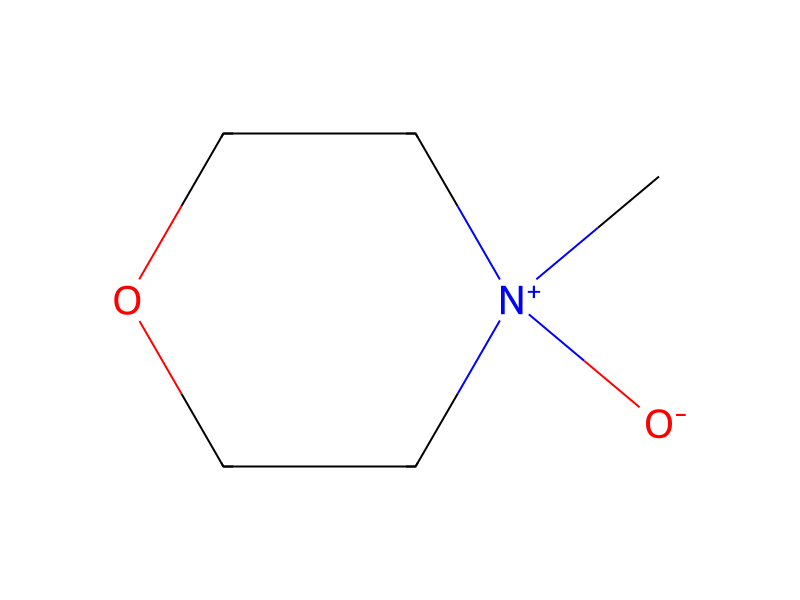
[C:1]([C:5]1[N:6]([C:18]([OH:20])=[O:19])[C:7]2[C:12]([CH:13]=1)=[CH:11][C:10]([Br:14])=[C:9]([Cl:15])[C:8]=2[CH2:16]Br)([CH3:4])([CH3:3])[CH3:2].C[N+]1([O-])CC[O:25]CC1>C(#N)C>[C:1]([C:5]1[N:6]([C:18]([OH:20])=[O:19])[C:7]2[C:12]([CH:13]=1)=[CH:11][C:10]([Br:14])=[C:9]([Cl:15])[C:8]=2[CH:16]=[O:25])([CH3:4])([CH3:3])[CH3:2]To a mixture of tert-butyl 5-bromo-7-(bromomethyl)-6-chloro-1H-indole-1-carboxylic acid (7.2 g) and acetonitrile (50 mL) was added 4-methyl morpholine-4-oxide (2.7 g) at room temperature. The reaction mixture was stirred at 50° C. for 7 hours and then at 70° C. overnight. The reaction mixture was concentrated under reduced pressure, ethyl acetate and water were added thereto, and a liquid-separation operation was carried out. The organic layer was washed with saturated brine, dried over anhydrous sodium sulfate, and then evaporated under reduced pressure. The residue was purified by silica gel column chromatography (hexane:ethyl acetate=100:0-90:10) to obtain tert-butyl 5-bromo-6-chloro-7-formyl 1H-indole-1-carboxylic acid (2.9 g).