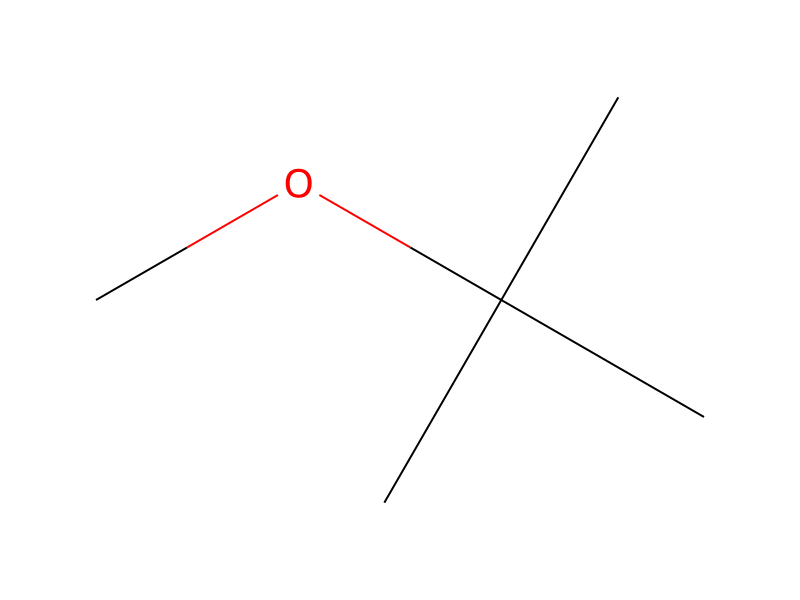
1-(5-Chloro-2,3-dimethoxy-phenyl)-ethanol (204 g, 943 mmol) was dissolved in DCM (2.0 L) and PCC (was added to the reaction mixture in portions, over 2 hours. Over the first 1.5 hours the temperature increased from 17.2° C. to 30.7° C. while a total of 315 g PCC was added. Addition of the remaining PCC did not result in a temperature increase. The reaction mixture was tested by TLC 1 hour after the PCC addition was completed; full conversion was observed. After an additional 40 min, 2 L TBME was added and a 4° C. exotherm was observed. The dark slurry was poured into 0.2 kg celite, mixed, then filtered over an additional 0.2 kg celite. The tar-like material remained in the reaction flask. DCM/TBME solution was concentrated under reduced pressure. A coating of tar formed on the flask walls; a solid also formed. The solid was dissolved in 0.2 L DCM (the tar did not dissolve). The solution was mixed with 0.2 kg silica gel and the DCM was allowed to evaporate. The product pre-adsorbed on silica gel was placed on top of a silica gel plug (0.4 kg silica gel) and the organic material was eluted with TBME until no product was observed by TLC. The resulting yellow solution was concentrated to yield a yellow solid. This solid was re-dissolved in TBME and the solution was flushed through a 0.4 kg silica gel plug. The resulting solution was concentrated to yield 145.8 g dry solid (72% yield, 95% pure by HPLC).