Potassium Hydroxide → Oxazoline
Reaktionsgleichung

[N+:1]([CH2:3][C:4]([O:6][CH3:7])=O)#[C-].FC1C=CC([CH:13]=[O:14])=CC=1.[OH-].[K+].[K].CC1CC[NH:24]CC1.CCN=C=NCCCN(C)C.C1C=CC2N(O)N=NC=2C=1>CO.ClCCl>[O:6]1[CH2:4][CH2:3][N:1]=[C:7]1[C:13]([NH2:24])=[O:14].[O:6]1[CH2:4][CH2:3][N:1]=[CH:7]1Komponenten
10
Edukt 6




Produkt 2


Reagenzien, Katalysatoren, Lösungsmittel 2


Versuchsvorschrift
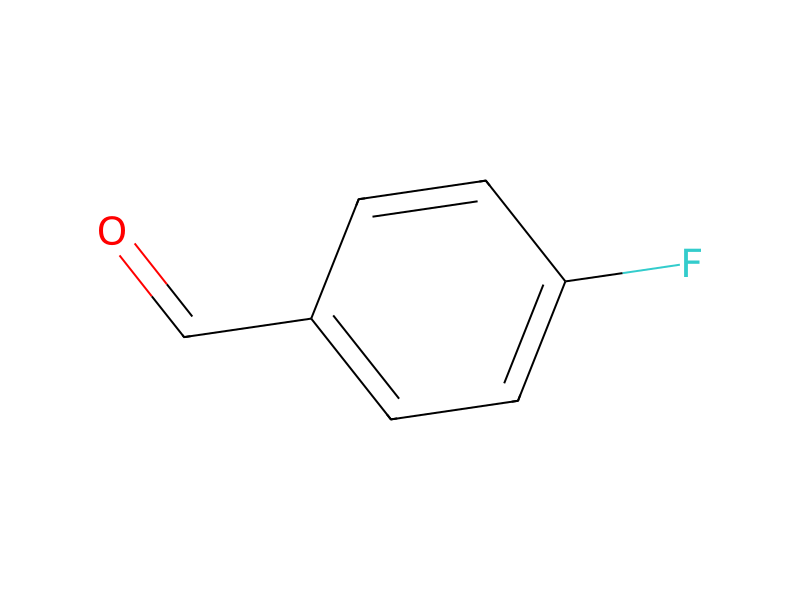
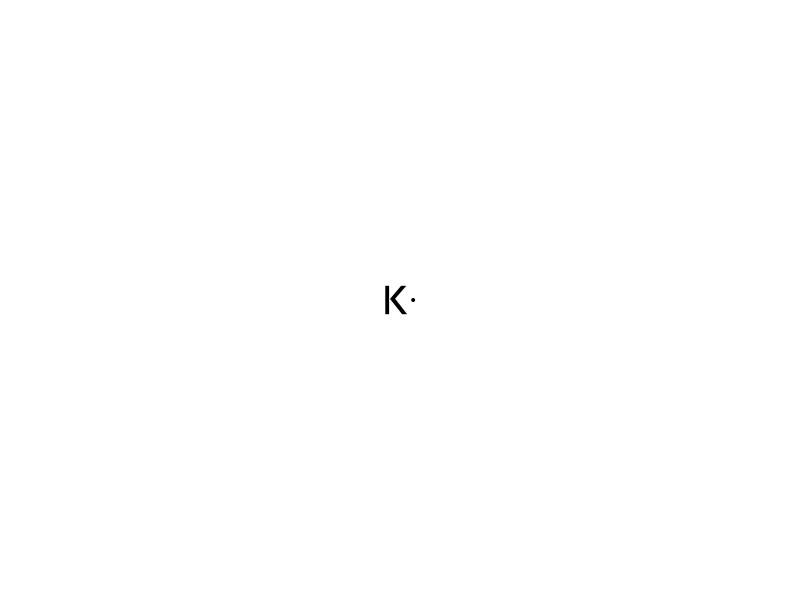
Compound 10 (Reaction Scheme 4) was obtained in three synthetic steps. Methyl 2-isocyanoacetate reacted with 4-fluorobenzaldehyde and KOH in MeOH for 7 h at room temperature to afford diastereoselectivity and quantitatively the crude potassium salt trans-ANP 20162. Potassium salt ANP 20162 was coupled with 4-methylpiperidine using the EDCI-HOBT method in dichloromethane to produce the oxazoline amide, LPO 26074 Oxazoline LPO 26074 then underwent ring opening using a HCl 37% solution in MeOH at 45° C. for 15 min to give Compound 10 in 7% yield after purification.
Aufarbeitung
- customto afford diastereoselectivity
Quellen und Nachweise
- ORD-Eintrag
- ord-3c09a4313d91486682cedb1c0d5f0e64
- Quelldatensatz
- uspto-grants-2012_05
- Patentnummer
- US08168631B2
Notizen zur Reaktion
Wird geladen…