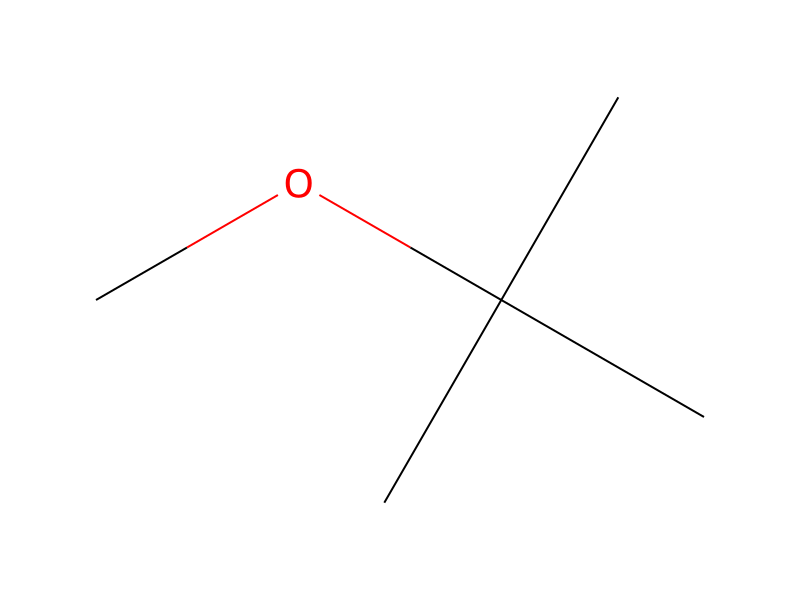
The 5-phenyl-1,3-dihydro-azepin-2-one (168.5 g, 911.3 mmol) is combined with tetrahydrofuran (1300 mL) and the solution cooled to about −30° C. Potassium tertiary-butoxide (107.4 g, 956.9 mmol) is added in one portion. Exotherm is observed warming the reaction contents to −12° C. Upon subsiding of the exotherm, the contents are allowed to re-cool to −25° C. and iodomethane (113.5 mL, 1.823 moL) is added providing a slight exotherm. The reaction contents are allowed to warm to room temperature and stirred. After 10 hours the reaction mixture is diluted with methyl tertiary-butyl ether (1300 mL) and extracted with saturated ammonium chloride solution (2×250 mL), water, and saturated aqueous sodium chloride solution. The combined aqueous layers are back extracted with methyl tertiary-butyl ether (200 mL). The methyl tertiary-butyl ether extracts are combined, dried over MgSO4 and filtered. The solution is concentrated via rotary evaporation to provide the title compound (185 g, 100%) as a brown powdery residue. The material is used directly, without purification, in the next step.