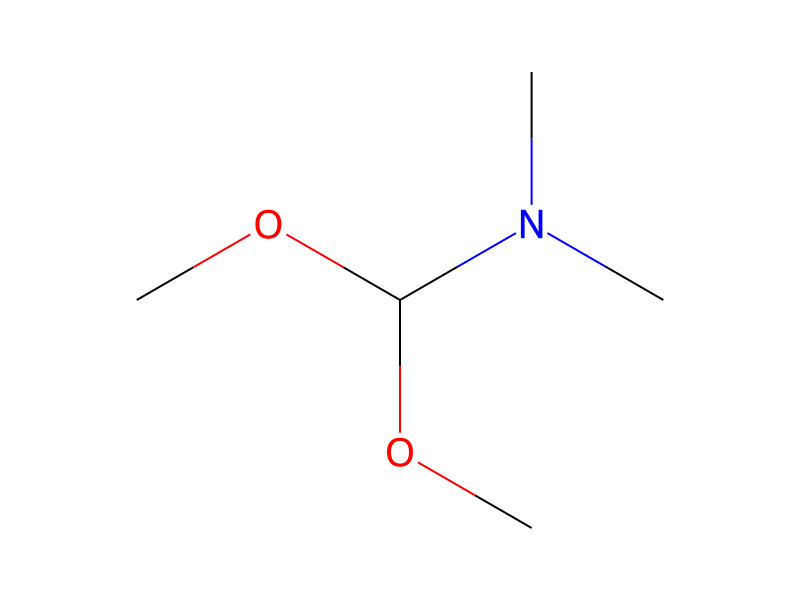
[F:1][C:2]1[CH:7]=[C:6]([F:8])[CH:5]=[CH:4][C:3]=1[C:9](=O)[CH2:10][C:11]1[CH:12]=[CH:13][C:14]2[N:15]([C:17]([CH:20]([CH3:22])[CH3:21])=[N:18][N:19]=2)[N:16]=1.COC(OC)[N:27]([CH3:29])C.[NH2:32]N>C1(C)C=CC=CC=1>[F:1][C:2]1[CH:7]=[C:6]([F:8])[CH:5]=[CH:4][C:3]=1[C:9]1[C:10]([C:11]2[CH:12]=[CH:13][C:14]3[N:15]([C:17]([CH:20]([CH3:22])[CH3:21])=[N:18][N:19]=3)[N:16]=2)=[CH:29][NH:27][N:32]=1The 1-(2,4-difluorophenyl)-2-(3-isopropyl-[1,2,4]triazolo[4,3-b]pyridazin-6-yl)ethanone (0.20 g, 0.63 mmol, Preparation #K.1), N,N-dimethylformamide dimethyl acetal (0.14 g, 1.14 mmol) and toluene (2 mL) were heated in an about 110° C. oil bath. After about 30 min, the mixture was cooled and the solvent was concentrated under reduced pressure. The residue was dissolved in 1,4-dioxane (2 mL) and hydrazine (0.0360 mL, 1.14 mmol) was added. The mixture was heated to about 95° C. in an oil bath for about 30 min, cooled to ambient temperature, and then concentrated under reduced pressure. The material was purified by RP-HPLC (Table 1, Method d). Concentration of the desired fractions under reduced pressure resulted in precipitation of a tan solid that was collected by filtration and then dried to give the title compound (0.054 g, 25%): LC/MS (Table 1, Method a) Rt=1.69 min; MS m/z: 341.2 (M+H)+.
Wird geladen…