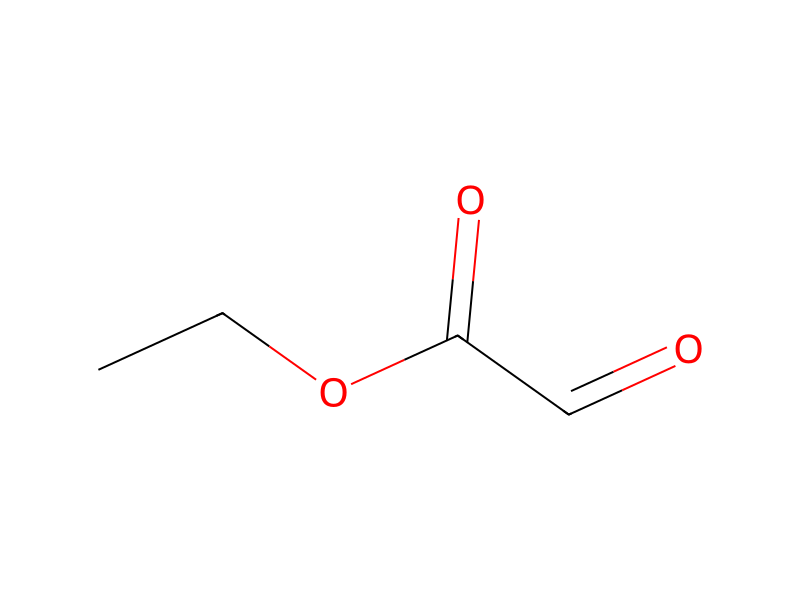
[F:1][C:2]1[CH:7]=[C:6]([F:8])[CH:5]=[CH:4][C:3]=1[C:9]1[N:10]=[C:11]2[CH2:24][CH2:23][CH2:22][N:12]2[C:13]=1[C:14]1[N:15]=[N:16][C:17]([NH:20][NH2:21])=[CH:18][CH:19]=1.CO.O=[CH:28][C:29]([O:31][CH2:32][CH3:33])=[O:30].C(O)(=O)C.C(O)(=O)C.IC1C=CC=CC=1>C(Cl)Cl>[F:1][C:2]1[CH:7]=[C:6]([F:8])[CH:5]=[CH:4][C:3]=1[C:9]1[N:10]=[C:11]2[CH2:24][CH2:23][CH2:22][N:12]2[C:13]=1[C:14]1[CH:19]=[CH:18][C:17]2[N:16]([C:28]([C:29]([O:31][CH2:32][CH3:33])=[O:30])=[N:21][N:20]=2)[N:15]=1A 250 mL pear flask was charged with 2-(2,4-difluorophenyl)-3-(6-hydrazinylpyridazin-3-yl)-6,7-dihydro-5H-pyrrolo[1,2-a]imidazole (7.90 g, 24.1 mmol) and MeOH (70 mL). To the flask was added ethyl 2-oxoacetate (Fluka, 5.72 mL, 28.9 mmol) and the mixture was heated to about 70° C. for about 1 h, at which point the starting material was consumed. The suspension was cooled to ambient temperature and the MeOH was removed under reduced pressure to give a brown solid. To the flask was added DCM (70 mL) and iodobenzene diacetate (10.1 g, 31.3 mmol) resulting in the formation of a dark solution. After about 1 h, the solution was poured into additional DCM (100 mL) and washed with water and brine. The layers were separated and the organic solution was dried over MgSO4, filtered, and concentrated to give a dark brown solid. The solid was triturated with Et2O (about 30 mL) and a brown solid was collected by vacuum filtration. A second trituration was carried out with Et2O/MeOH (9:1, 45 mL) to give the title compound as a light brown solid (7.25 g, 73%): LC/MS (Table 1, Method h) Rt=1.27 min; MS m/z: 411.1 (M+H)+.
Wird geladen…