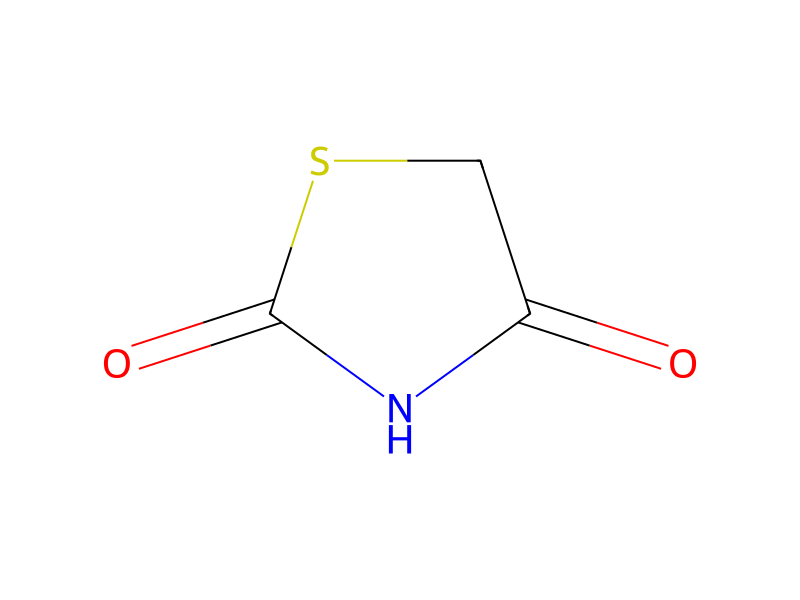
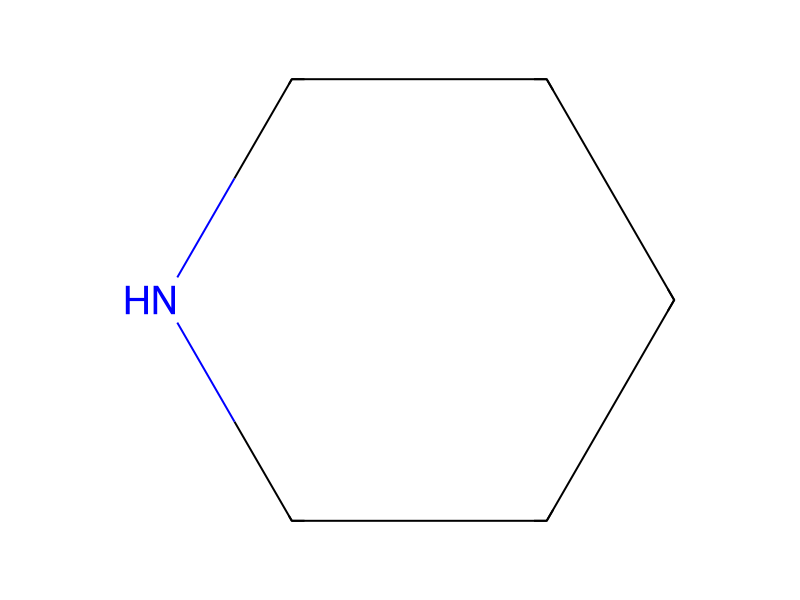
[CH3:1][N:2]([CH2:9][C:10]1[CH:19]=[C:18]2[C:13]([CH:14]=[C:15]([CH:20]=O)[CH:16]=[N:17]2)=[CH:12][CH:11]=1)[C:3]1[CH:8]=[CH:7][CH:6]=[CH:5][CH:4]=1.[S:22]1[CH2:26][C:25](=[O:27])[NH:24][C:23]1=[O:28].N1CCCCC1.Cl>C(O)C>[CH3:1][N:2]([CH2:9][C:10]1[CH:19]=[C:18]2[C:13]([CH:14]=[C:15]([CH:20]=[C:26]3[S:22][C:23](=[O:28])[NH:24][C:25]3=[O:27])[CH:16]=[N:17]2)=[CH:12][CH:11]=1)[C:3]1[CH:4]=[CH:5][CH:6]=[CH:7][CH:8]=1The above 7-(methylphenylamino)methylquinoline-3-carbaldehyde (222 mg, 0.8 mmol), 2,4-thiazolidinedione (105 mg, 0.8 mmol.), and piperidine (0.065 mL, 0.66 mmol) were suspended in ethanol (8 mL), and the mixture was heated under reflux overnight. The reaction mixture was cooled in an atmospheric condition, and to this was added 1N hydrochloric acid to adjust the solution to pH 1-2. The mixture was extracted with chloroform after addition of water (10 mL), washed with saturated aqueous sodium chloride solution, and dried over anhydrous sodium sulfate. The solvent was distilled off under reduced pressure, and the residue was purified by silica gel column chromatography (chloroform/methanol=20/1), to give the desired compound as yellow crystalline powder (181 mg, yield: 60%).