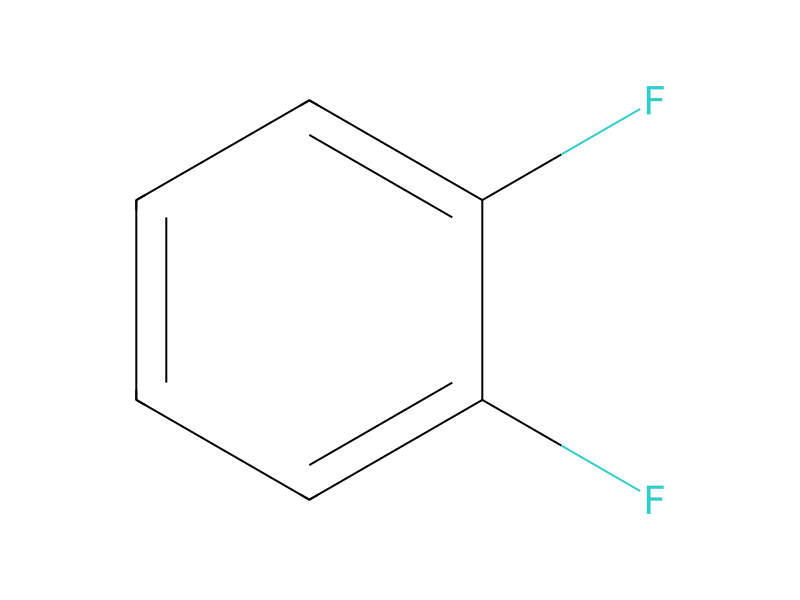
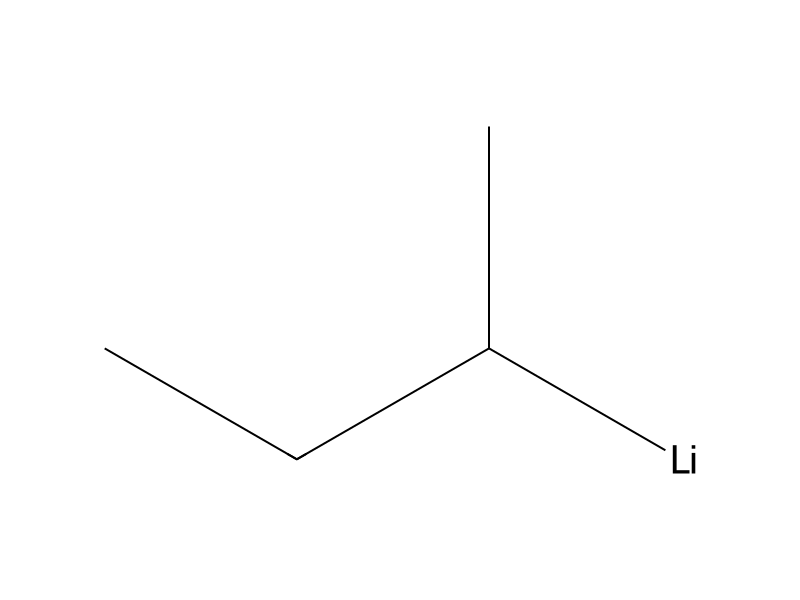
1,2-Difluorobenzene (6) (100.0 g) and THF (500 ml) were put in a reaction vessel under a nitrogen atmosphere, and cooled to −74° C. sec-Butyllithium (1.00 M, in a n-hexane and cyclohexane solution; 876.5 ml) was added dropwise thereto in the temperature range of −74° C. to −70° C., and the mixture was stirred for another 2 hours. Then, 4-pentylcyclohexanone (7) (177.0 g) in a THF (200 ml) solution was added dropwise thereto in the temperature range of −75° C. to −70° C., and the stirring was continued for another 8 hours while the mixture was allowed to return to 25° C. The reaction mixture obtained was poured into a vessel containing an aqueous 1N-HCl solution (500 ml) and ethyl acetate (500 ml), and mixed. The mixture was then allowed to stand until it had separated into two phases of organic and aqueous phases, and extraction was carried out. The organic phase obtained was fractionated, washed sequentially with water, a saturated aqueous solution of sodium hydrogencarbonate and water, and then dried over anhydrous magnesium sulfate. The solvent was then distilled off under reduced pressure, giving 215.1 g of 4-pentyl(2,3-difluorophenyl)cyclohexanol (8). The compound (8) obtained was a yellow oil.