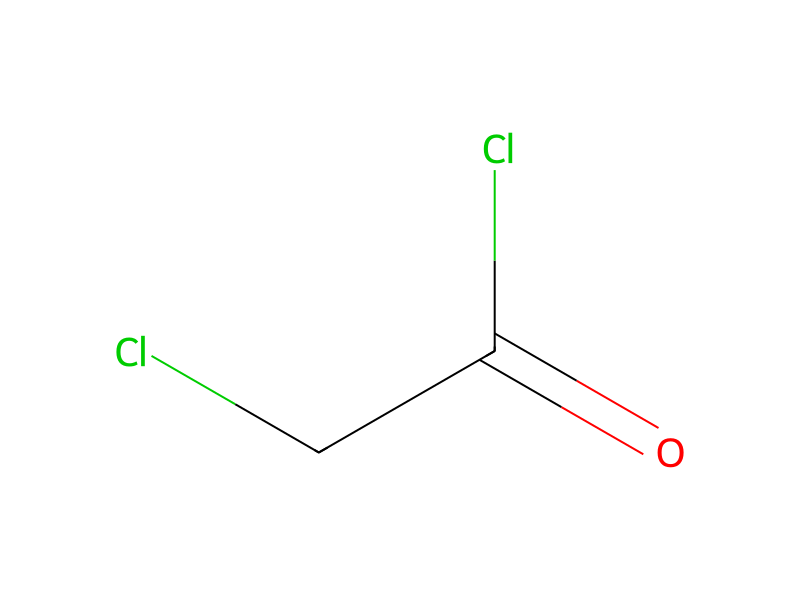
In a 20 ml flask equipped with a reflux apparatus, 3-amino-pyridin-2-ol (300 mg, 2.72 mmol) was dissolved in acetonitrile (27 ml). To the reaction solution was added chloroacetyl chloride (0.24 ml, 3.0 mmol) dropwise at room temperature, followed by Potassium carbonate (940 mg, 6.80 mmol). The mixture was heated at 1000 for 15 hours. After completion of the reaction, acetonitrile was evaporated under the reduced pressure. To the residue was added water and then the mixture was extracted with ethyl acetate. The combined organic layer was dried over anhydrous sodium sulfate (Na2SO4), filtered and evaporated under reduced pressure to obtain white solid (113 mg, 28%).