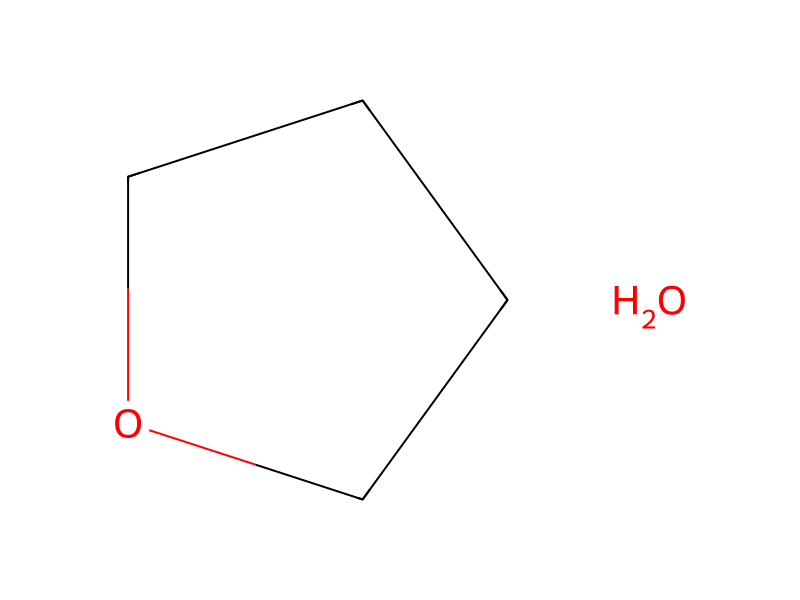
Br[C:2]1[CH:11]=[N:10][C:5]2[O:6][CH2:7][CH2:8][NH:9][C:4]=2[CH:3]=1.[C:12]1(B(O)O)[C:21]2[C:16](=[CH:17][CH:18]=[CH:19][CH:20]=2)[CH:15]=[CH:14][N:13]=1.C(=O)([O-])[O-].[K+].[K+]>O1CCCC1.O>[CH:12]1[C:21]2[C:16](=[CH:17][CH:18]=[CH:19][CH:20]=2)[C:15]([C:2]2[CH:11]=[N:10][C:5]3[O:6][CH2:7][CH2:8][NH:9][C:4]=3[CH:3]=2)=[CH:14][N:13]=1Under nitrogen atmosphere, in a 10 ml flask, 7-bromo-2,3-dihydro-1H-pyrido[2,3-b][1,4]oxazine (36.3 mg, 0.169 mmol), isoquinoline boronic acid (44 mg, 0.253 mmol), tetrakis triphenylphosphine palladium (19.5 mg, 0.017 mmol) and potassium carbonate (58.3 mg, 0.423 mmol) were dissolved in a solvent of tetrahydrofuran/water (6/1, 1.4 ml/0.3 ml). The reaction mixture was stirred for 30 minutes at 80° C. using microwave (40 W) device. After cooling to room temperature, the mixture was extracted with ethyl acetate, and the organic layer was washed with saturated saline solution. The combined organic layer was dried over anhydrous magnesium sulfate (MgSO4), filtered and evaporated under reduced pressure. The residue was purified by column chromatography on amine silica eluting with a solvent of dichloromethane. The fractions containing the product were collected and evaporated to obtain brown oil (22.6 mg, 51%).