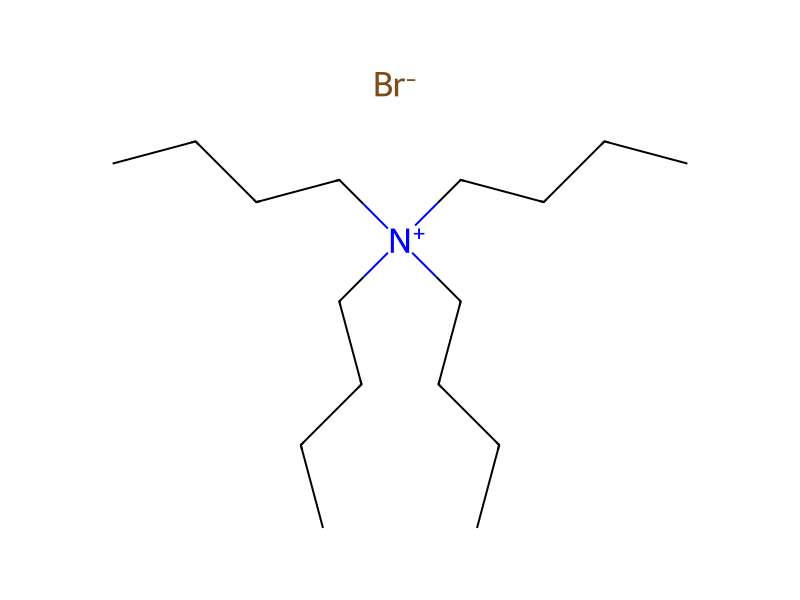
[CH3:1][CH:2]([C:4]1[NH:8][C:7]2[CH2:9][CH2:10][CH2:11][C:12](=[O:13])[C:6]=2[N:5]=1)[CH3:3].Br[CH2:15][C:16]1[CH:21]=[CH:20][C:19]([Cl:22])=[C:18]([Cl:23])[CH:17]=1.[OH-].[Na+]>[Br-].C([N+](CCCC)(CCCC)CCCC)CCC.C1(C)C=CC=CC=1>[Cl:23][C:18]1[CH:17]=[C:16]([CH2:15][N:5]2[C:6]3[C:12](=[O:13])[CH2:11][CH2:10][CH2:9][C:7]=3[N:8]=[C:4]2[CH:2]([CH3:1])[CH3:3])[CH:21]=[CH:20][C:19]=1[Cl:22]To Intermediate 56 (1st Alternative preparation) (88.83 g, product of multiple previous experiments) was added toluene (2000 mL) followed by 4-(bromomethyl)-1,2-dichlorobenzene (132 g) and tetrabutylammonium bromide (80 g) then sodium hydroxide (1096 mL). The mixture was then stirred at room temperature, stirring vigorously to mix the phases. The temp rose by 5° C. over 5 mins. After 1.5 hr the mixture was partitioned between ethyl acetate and water and the aqueous layer extracted well with ethyl acetate—aq phase got up to 50° C. The combined organics were washed with water, brine, dried (MgSO4), filtered and evaporated. The crude product was purified by column chromatography, loaded in DCM, eluting with 0-100% ethyl acetate in cyclohexane. The appropriate fractions were evaporated and this gave the title compound, a cream solid, two batches 114.8 gm and 16.22 gm. LC/MS MH+337, 339, Rt 0.96 min (2 min run).