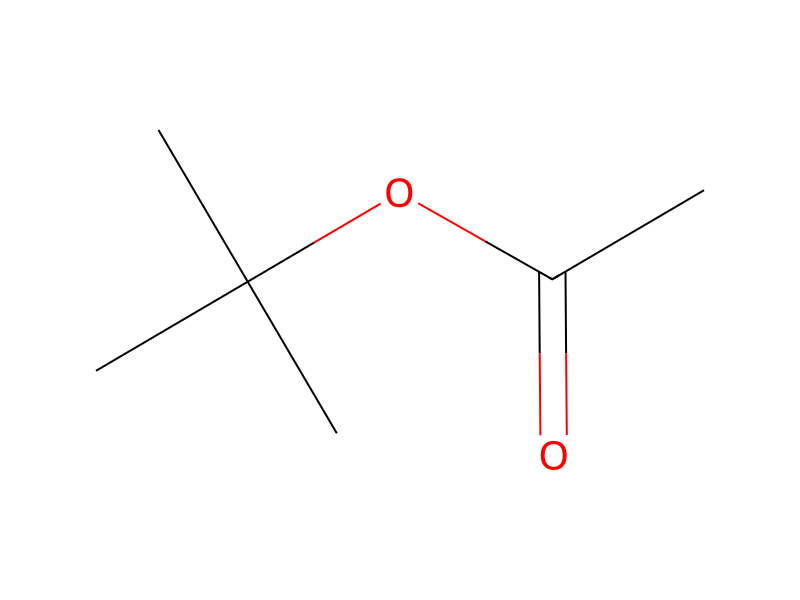
[Br:1][C:2]1[C:6]([Cl:7])=[C:5]([CH3:8])[N:4]([CH2:9][O:10][CH2:11][CH2:12][Si:13]([CH3:16])([CH3:15])[CH3:14])C=1C(OCC)=O.[C:22]([O:26][C:27](=[O:29])[CH3:28])([CH3:25])([CH3:24])[CH3:23].CC(C)([O-])C.[K+]>>[Br:1][C:2]1[C:6]([Cl:7])=[C:5]([CH3:8])[N:4]([CH2:9][O:10][CH2:11][CH2:12][Si:13]([CH3:14])([CH3:16])[CH3:15])[C:28]=1[C:27]([O:26][C:22]([CH3:25])([CH3:24])[CH3:23])=[O:29]Ethyl 3-bromo-4-chloro-5-methyl-1-{[2-(trimethylsilyl)ethoxy]methyl}-1H-pyrrole-2-carboxylate (Intermediate 266, 564 mg, 1.42 mmol), t-Butylacetate (330 mg, 2.84 mmol) and potassium t-butoxide (0.14 mmol) were mixed together and stirred at room temperature for 10 minutes, concentrated to an oil under vacuum. t-Butylacetate (330 mg, 2.84 mmol) and potassium t-butoxide (0.14 mmol) were added again into the reaction mixture, repeated the same procedure again. The resulting reaction crude was filtered through a short pass silica gel, washed with ethyl acetate, the combined filtrate was concentrated to an oil and purified by column chromatography (2% ethyl acetate in hexanses) to give the desired product as an oil (485 mg).