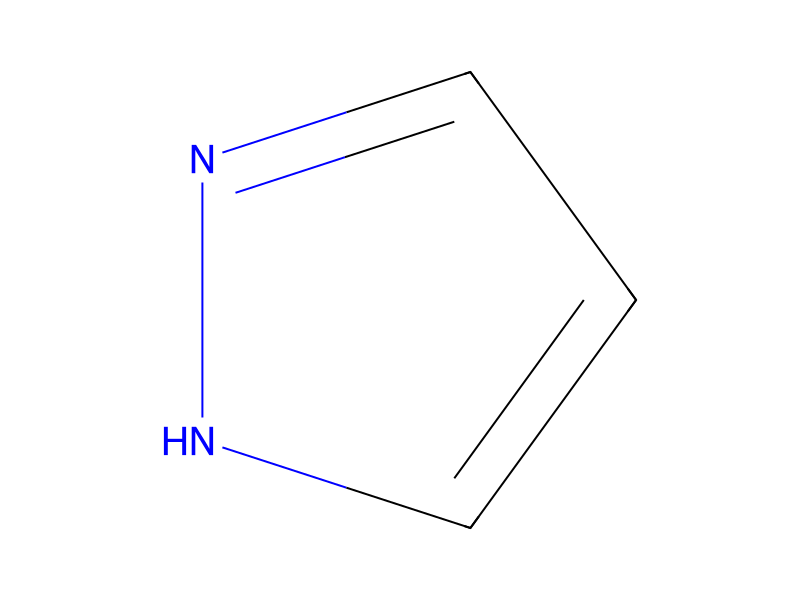
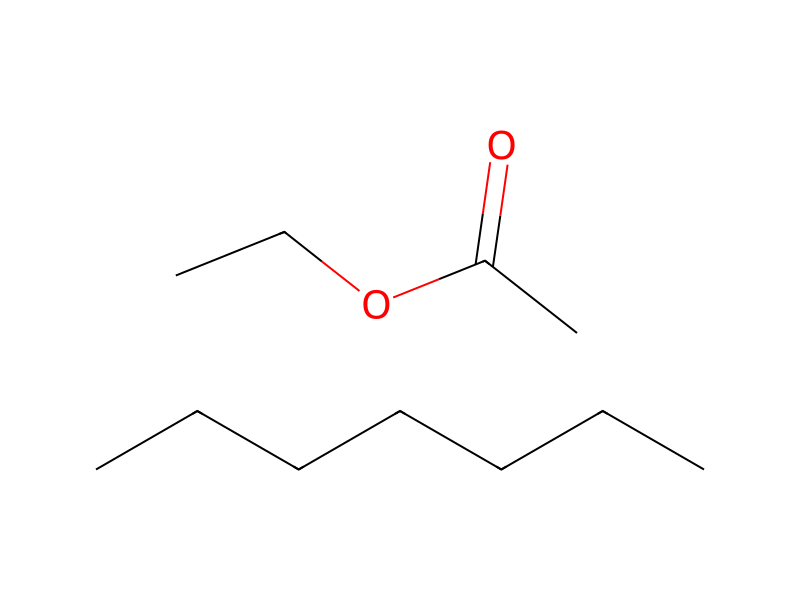
[H-].[Na+].[NH:3]1[CH:7]=[CH:6][CH:5]=[N:4]1.C(OC(=O)[N:14]([C:22]1[CH:27]=[CH:26][C:25]([Cl:28])=[CH:24][CH:23]=1)[C:15]1[CH:20]=[N:19][CH:18]=[C:17](Cl)[N:16]=1)(C)(C)C.C(OCC)(=O)C.CCCCCCC>CN(C)C=O>[Cl:28][C:25]1[CH:24]=[CH:23][C:22]([NH:14][C:15]2[CH:20]=[N:19][CH:18]=[C:17]([N:3]3[CH:7]=[CH:6][CH:5]=[N:4]3)[N:16]=2)=[CH:27][CH:26]=1Sodium hydride (60% in mineral oil, 156 mg, 3.90 mmol) was added to a suspension of pyrazole (260 mg, 3.82 mmol) in N,N-dimethylformamide (5 mL) and the mixture was heated to 50° C. for 20 minutes. (4-Chloro-phenyl)-(6-chloro-pyrazin-2-yl)-carbamic acid tert-butyl ester (260 mg, 0.76 mmol) was added and stirring was continued for 30 minutes at the same temperature. The temperature was raised to 100° C. and the mixture was stirred overnight. The reaction mixture was quenched with brine and extracted with ethyl acetate (4×15 mL). The combined organic phases were washed with brine, dried over anhydrous sodium sulphate, filtrated and evaporated to give the crude product. Flash chromatography (ethyl acetate/heptane as eluent) gave (4-chloro-phenyl)-(6-pyrazol-1-yl-pyrazin-2-yl)-amine (56 mg, 27%) as a yellow solid.