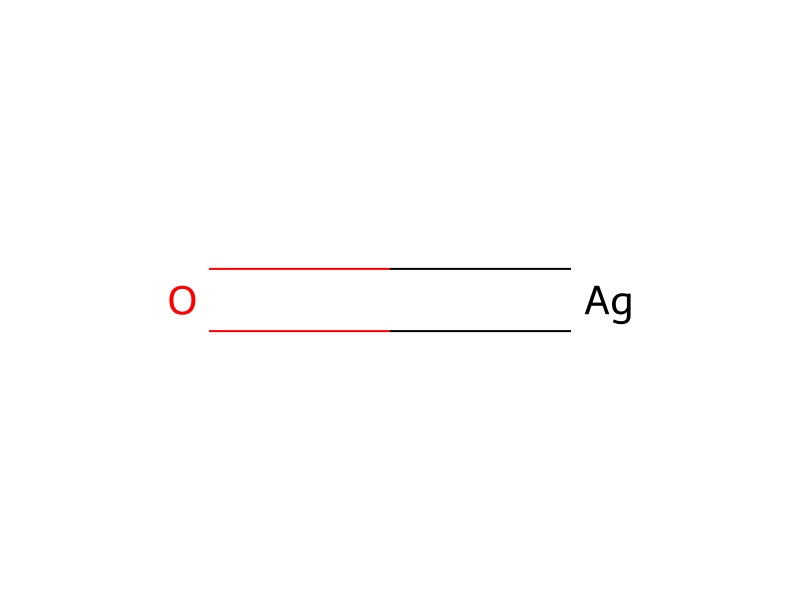
[Br:1][C:2]1[C:3]([OH:13])=[C:4]([CH:7]=[C:8]([N+:10]([O-:12])=[O:11])[CH:9]=1)[CH:5]=[O:6].I[CH3:15]>[Ag]=O.C(#N)C>[Br:1][C:2]1[C:3]([O:13][CH3:15])=[C:4]([CH:7]=[C:8]([N+:10]([O-:12])=[O:11])[CH:9]=1)[CH:5]=[O:6]Into an appropriately sized pressure bottle was placed commercially available 3-bromo-2-hydroxy-5-nitrobenzaldehyde (2.46 gm, 10.00 mmol), iodomethane (6.23 mL, 100 mmol), silver oxide (2.317 g, 10.00 mmol) and acetonitrile (50 mL). The bottle was sealed and heated with stirring at 50° C. for 2 h. The reaction mixture was filtered through celite and the filtrate concentrated to give a solid residue that was triturated with hexane, collected by filtration and dried. The resulting solid was purified by silica gel chromatography (hexane-ethylacetate) to give the title compound (1.2 g, 46%).