Phenol → N-(3-methoxy-5-phenoxypyridin-2-yl)-3-(pyrrolidin-1-ylsulfonyl)benzamide
HRID 1967525
Reaktionsgleichung

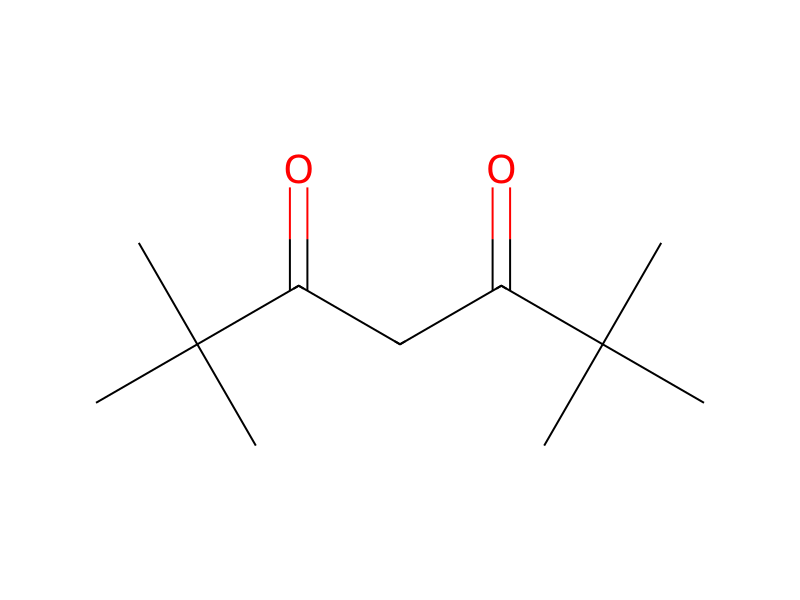
[C:1]1([OH:7])[CH:6]=[CH:5][CH:4]=[CH:3][CH:2]=1.C(=O)([O-])[O-].[Cs+].[Cs+].CC(C)(C(=O)CC(=O)C(C)(C)C)C.CN1CCCC1.Br[C:34]1[CH:35]=[C:36]([O:57][CH3:58])[C:37]([NH:40][C:41](=[O:56])[C:42]2[CH:47]=[CH:46][CH:45]=[C:44]([S:48]([N:51]3[CH2:55][CH2:54][CH2:53][CH2:52]3)(=[O:50])=[O:49])[CH:43]=2)=[N:38][CH:39]=1>C(OCC)(=O)C.[Cu]Cl>[CH3:58][O:57][C:36]1[C:37]([NH:40][C:41](=[O:56])[C:42]2[CH:47]=[CH:46][CH:45]=[C:44]([S:48]([N:51]3[CH2:52][CH2:53][CH2:54][CH2:55]3)(=[O:50])=[O:49])[CH:43]=2)=[N:38][CH:39]=[C:34]([O:7][C:1]2[CH:6]=[CH:5][CH:4]=[CH:3][CH:2]=2)[CH:35]=1