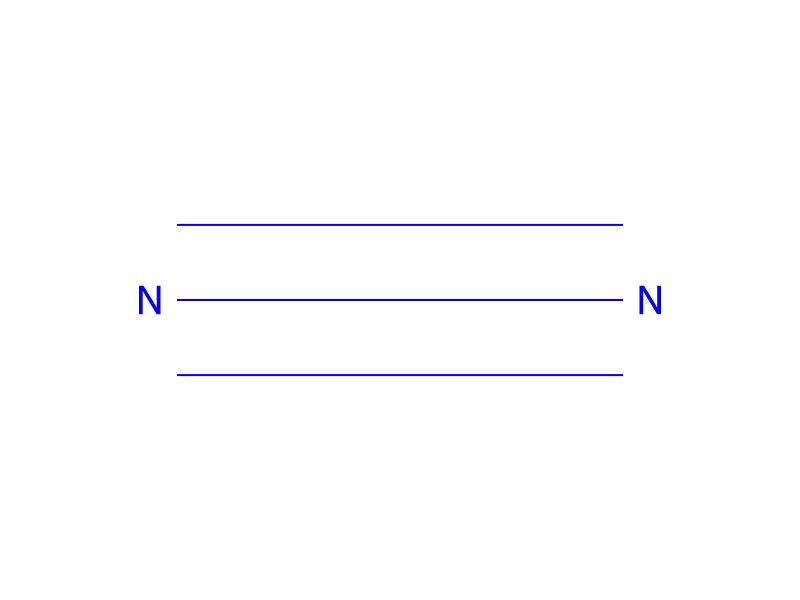
[Cl:1][C:2]1[CH:21]=[CH:20][C:5]([O:6][C:7]2[CH:12]=[CH:11][C:10]([N:13]3[C:17](=[O:18])[CH2:16][CH2:15][C:14]3=[O:19])=[CH:9][CH:8]=2)=[CH:4][CH:3]=1.CC(C[AlH]CC(C)C)C.N#N>C(Cl)Cl>[Cl:1][C:2]1[CH:3]=[CH:4][C:5]([O:6][C:7]2[CH:12]=[CH:11][C:10]([N:13]3[CH:17]([OH:18])[CH2:16][CH2:15][C:14]3=[O:19])=[CH:9][CH:8]=2)=[CH:20][CH:21]=1A solution of 1-[4-(4-chloro-phenoxy)-phenyl]-pyrrolidine-2,5-dione (100 mg, 0.33 mmol) in anhydrous CH2Cl2 (1.5 mL) is cooled down to −78° C. in a dry ice bath. DIBAL-H (0.6 mL, 1 M solution in hexane, 0.66 mmol) is added into the solution dropwise under N2. After the addition, the mixture is stirred at the same temperature for 10 min and quenched by H2O (10 mL). The mixture is warmed up to room temperature and extracted with CH2Cl2 (3×10 mL). The combined organic layer is washed with brine and dried (MgSO4). After filtering the drying agent, the filtrate is concentrated and purified by flash column chromatography (silica gel, EtOAc) to provide the (±)-1-[4-(4-chloro-phenoxy)-phenyl]-5-hydroxy-pyrrolidin-2-one as off white solid (72 mg, 72%).