Propylamine → HCID 21493395, Verbindung
Reaktionsgleichung

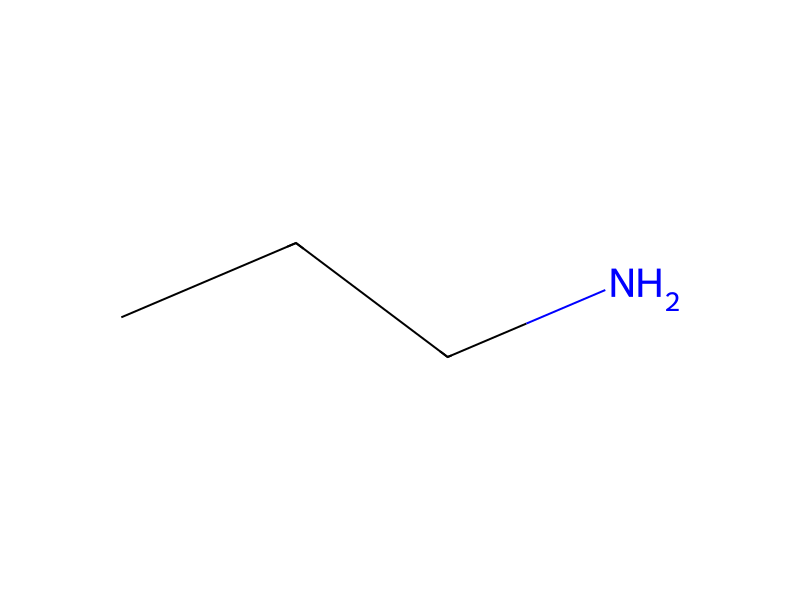
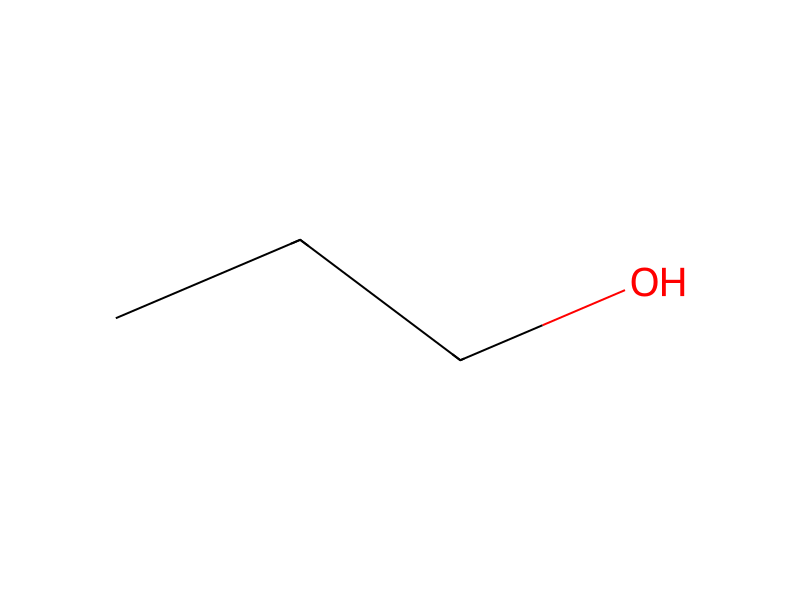
[CH2:1]([NH2:4])[CH2:2][CH3:3].Cl[C:6]1[N:14]=[CH:13][N:12]=[C:11]2[C:7]=1[N:8]=[CH:9][N:10]2[CH2:15][CH2:16][CH2:17][N:18]1[CH2:23][CH2:22][N:21]([C:24]2[CH:29]=[CH:28][CH:27]=[CH:26][CH:25]=2)[CH2:20][CH2:19]1>C(O)CC>[CH2:1]([NH:4][C:6]1[N:14]=[CH:13][N:12]=[C:11]2[C:7]=1[N:8]=[CH:9][N:10]2[CH2:15][CH2:16][CH2:17][N:18]1[CH2:19][CH2:20][N:21]([C:24]2[CH:29]=[CH:28][CH:27]=[CH:26][CH:25]=2)[CH2:22][CH2:23]1)[CH2:2][CH3:3]Komponenten
4
Edukt 2

Produkt 1

Reagenzien, Katalysatoren, Lösungsmittel 1
Versuchsvorschrift
50 ml of n-propylamine are added to a solution of 10.7 g (0.03 mole) of 6-chloro-9-[3-(4-phenyl-piperazino)-propyl]-purine (produced as hereinabove described) in 100 ml of n-propanol, whereafter the reaction mixture is heated under reflux for 5 hours. After standing for 15 hours at ambient temperature, the reaction mixture is evaporated in a vacuum and the residue extracted with ether. After evaporation of the solvent, there are obtained 9.0 g (79% of theory) of crude product, which has a melting point of 64°-66° C. After recrystallization from ether, there are obtained 7.4 g (65% of theory) of N6 -n-propyl-9-[3-(4-phenyl-piperazino)-propyl]-adenine, which has a melting point of 67°-68° C.