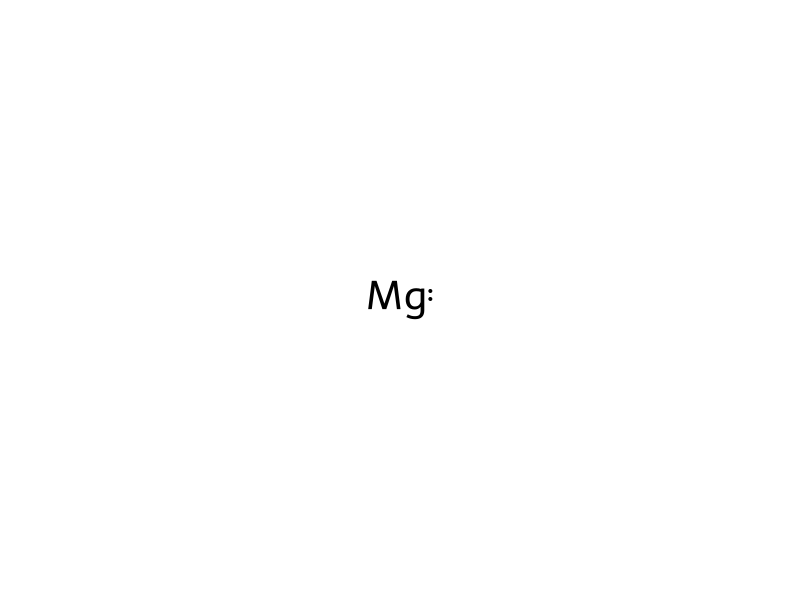
A Grignard-complex, ethyl magnesium bromide, is prepared in the conventional manner, starting from 10.57 parts of 1-bromoethane and 2.14 parts of magnesium in 27 parts of dry tetrahydrofuran. This complex is added dropwise to a warm suspension of 25.7 parts of ethyl 2,4-dioxo-1-phenyl-3-oxa-1,8-diazaspiro[4,5]decane-8-carboxylate in 213 parts of dry tetrahydrofuran: exothermic reaction. Upon completion, stirring is continued for 1 hour at room temperature. After cooling, the reaction mixture is decomposed by dropwise addition of an ammonium chloride solution. The layers are separated and the aqueous phase is extracted with 1,1'-oxybisethane. The combined organic phases are washed with water, dried, filtered and evaporated. The residue is purified by column-chromatography over silica gel using a mixture of trichloromethane and 3% of methanol as eluent. The pure fractions are collected and the eluent is evaporated, yielding ethyl 4-(1-oxopropyl)-4-(phenylamino)-1-piperidinecarboxylate as a residue.