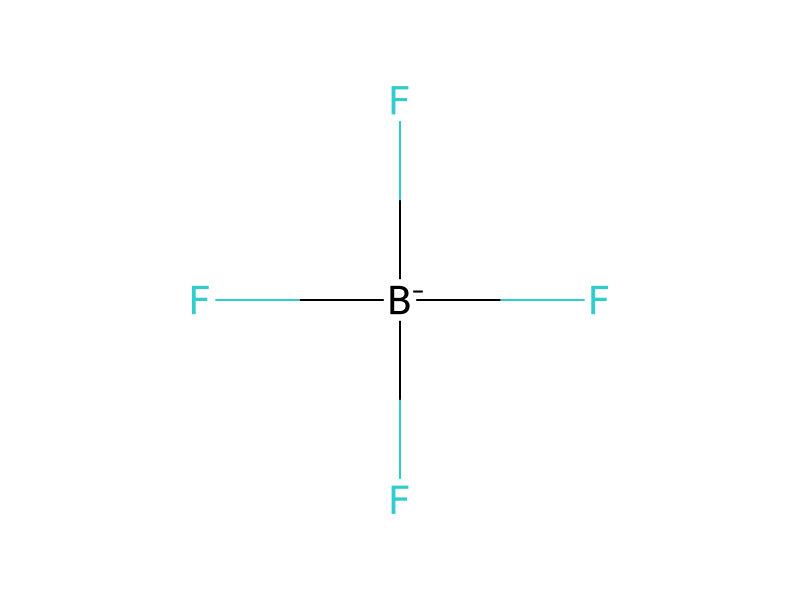
F[B-](F)(F)F.[CH2:6]([N:13]1[CH2:17][CH2:16][CH2:15][C:14]1=[NH:18])[C:7]1[CH:12]=[CH:11][CH:10]=[CH:9][CH:8]=1.[Cl:19][C:20]1[CH:21]=[C:22]([N:26]=[C:27]=[O:28])[CH:23]=[CH:24][CH:25]=1>C1C=CC=CC=1>[CH2:6]([N:13]1[CH2:17][CH2:16][CH2:15][C:14]1=[N:18][C:27]([NH:26][C:22]1[CH:23]=[CH:24][CH:25]=[C:20]([Cl:19])[CH:21]=1)=[O:28])[C:7]1[CH:12]=[CH:11][CH:10]=[CH:9][CH:8]=1The fluoroborate salt of 1-benzyl-2-iminopyrrolidine (6.55 g.; 0.025 mole) is converted to free base (4.36 g.; 0.025 mole -- assuming 100% conversion) by adding 5 ml. of 50% NaOH to an aqueous slurry of the salt and benzene extraction. After drying over K2CO3, the benzene solution is filtered through diatomaceous earth and 3.84 g. (0.025 mole) of m-chlorophenylisocyanate, dissolved in anhydrous benzene, is added. The reaction mixture is stirred at room temperature for 2 hours and then taken to dryness in vacuo to give an oily residue which eventually crystallizes. Recrystallizations from acetonepetroleum ether affords a pure product, 1-(1-benzyl-2 -pyrrolidylidene)-3-(m-chlorophenyl)urea, m.p. = 91°-93° C.