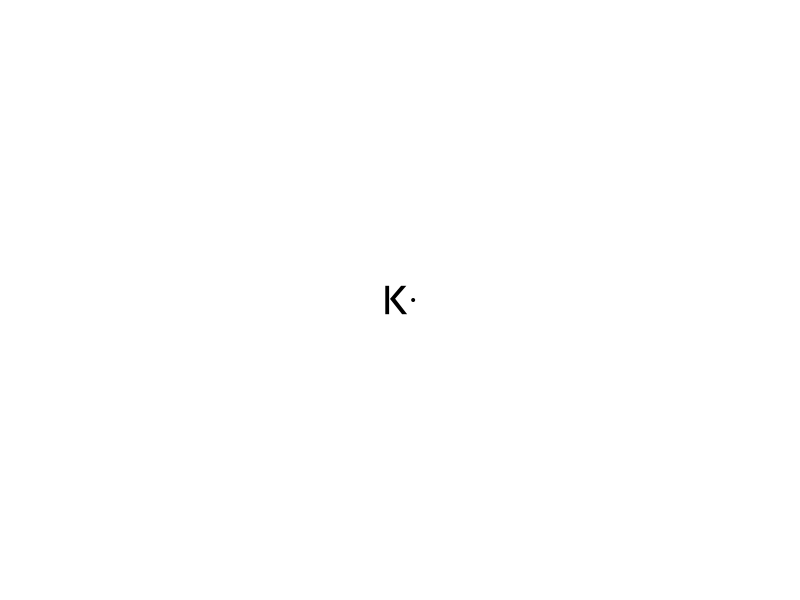
[K].[C:2]([NH:6][S:7]([C:10]1[CH:18]=[C:17]([C:19](=[O:23])[N:20]([CH3:22])[CH3:21])[CH:16]=[CH:15][C:11]=1[C:12]([OH:14])=[O:13])(=[O:9])=[O:8])([CH3:5])([CH3:4])[CH3:3].Br[CH2:25][CH3:26]>C(#N)C.C(OCC)(=O)C>[C:2]([NH:6][S:7]([C:10]1[CH:18]=[C:17]([C:19](=[O:23])[N:20]([CH3:21])[CH3:22])[CH:16]=[CH:15][C:11]=1[C:12]([O:14][CH2:25][CH3:26])=[O:13])(=[O:9])=[O:8])([CH3:5])([CH3:4])[CH3:3]A suspension of 3.0 g (8.2 mmol) of the potassium salt of 2-tert-butylsulfamoyl-4-dimethylcarbamoylbenzoic acid, and 0.21 g (0.79 mmol) of 1,4,7,10,13,16-hexaoxacyclooctane in 25 ml of acetonitrile was stirred at room temperature for half an hour, and 890 mg (8.2 mmol) of bromoethane were then added. The mixture was subsequently heated under reflux for 6 h and then allowed to cool to room temperature. For work-up, the reaction mixture was diluted with ethyl acetate and extracted with 1 M aqueous hydrochloric acid solution, saturated aqueous sodium bicarbonate solution and water. The organic phase was dried over sodium sulfate, filtered off and concentrated. This gave 2.31 g (79% of theory) of ethyl 2-tert-butylsulfamoyl-4-dimethylcarbamoylbenzoate as a colorless solid of m.p. 101 to 102.5° C.