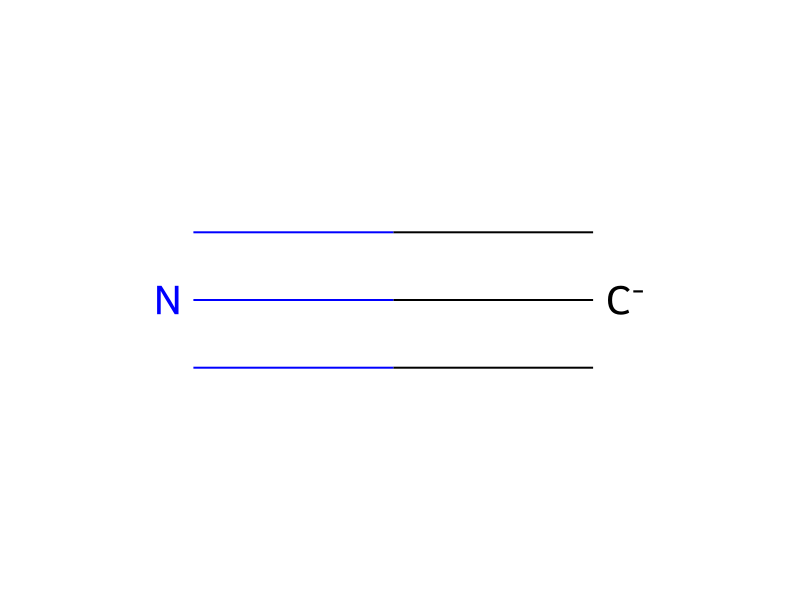
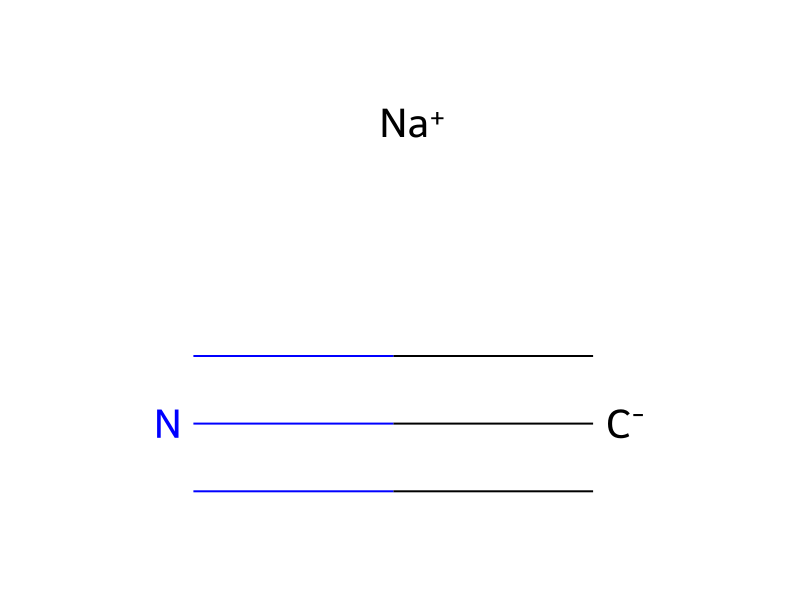
Sodium cyanide (2.94 g; 50 mmol) was slurried in methanol (20 mLs) in a 100 mL round bottom flask and the slurry was heated to a gentle reflux. To the cyanide slurry, a solution of 4-methoxymethyl-2,6-di-t-butyl phenol (12.5 g; 50 mmol), toluene (20 mLs) and methanol (25 mLs) was added dropwise over a period of time of 55 minutes. The resultant black reaction mixture was refluxed an additional 35 minutes after complete addition of the 4-methoxymethyl-2,6-di-t-butyl phenol. Upon cooling to ambient temperature, 2N hydrochloric acid (40 mLs) was added to the reaction flask. A yellow slurry which resulted was extracted with diethyl ether. The ether extract was dried (MgSO4) and concentrated in vacuo to afford 11.74 grams of 4-hydroxy-3,5-di-t-butylphenylacetonitrile as identified by NMR. Analysis by VPC indicated a 95% yield of 4-hydroxy-2,6-di-t-butylphenylacetonitrile.