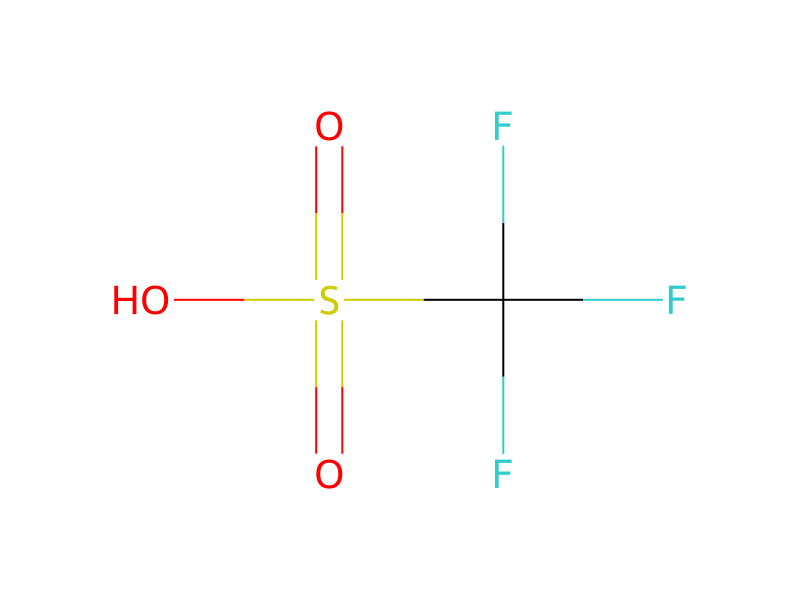
[CH2:1]([NH:8][C@@H:9]([CH3:12])[CH2:10][OH:11])[C:2]1[CH:7]=[CH:6][CH:5]=[CH:4][CH:3]=1.[CH2:13]([CH:15]1O[CH2:16]1)[Cl:14].FC(F)(F)S(O)(=O)=O>C(Cl)Cl>[Cl:14][CH2:13][C@H:15]1[O:11][CH2:10][C@H:9]([CH3:12])[N:8]([CH2:1][C:2]2[CH:7]=[CH:6][CH:5]=[CH:4][CH:3]=2)[CH2:16]1A mixture of (2S)-2-[benzylamino]propan-1-ol (1 equivalent) and epichlorohydrin (1 equivalent) was stirred at room temperature overnight. The mixture was cooled down to 0° C. and cold trifluoromethanesulfonic acid (4 equivalents) was added. The flask was equipped with a reflux condenser and the mixture was stirred at 160° C. overnight. The reaction mixture was cooled to room temperature, diluted with CH2Cl2 and quenched with ice water. The mixture was then made basic (pH=12) with a 30% NaOH solution. The two phases were separated, and the aqueous phase was extracted with CH2Cl2. The organic layer was washed with water, brine, dried over Na2SO4 and concentrated to afford a dark brown oil. The crude product contained an equimolar mixture of (2R,5S)-2-(chloromethyl)-5-methyl-4-benzylmorpholine(cis diastereoisomer) and (2S,5S)-2-(chloromethyl)-5-methyl-4-benzylmorpholine(trans diastereoisomer), which were separated by chromatography on silica gel (ethyl acetate/hexanes 1:20 to 1:8). (2S,5S)-2-(chloromethyl)-5-methyl-4-benzyl morpholine was obtained as the isomer with the lower Rf. GC/MS: 239 (15%, M+), Rt=15.08 minutes; LC/MS (m/z): 240.0 (MH+), Rt 1.56 minutes.