Reaktionsgleichung

[CH:1]1([N:4]2[C:12]3[N:11]=[CH:10][NH:9][C:8]=3[C:7](=[O:13])[NH:6][C:5]2=[O:14])[CH2:3][CH2:2]1.[H-].[Na+].[H][H].Br[CH2:20][CH2:21][CH3:22]>CN(C)C=O>[CH:1]1([N:4]2[C:12]3[N:11]=[CH:10][N:9]([CH2:20][CH2:21][CH3:22])[C:8]=3[C:7](=[O:13])[NH:6][C:5]2=[O:14])[CH2:3][CH2:2]1Komponenten
6
Edukt 4
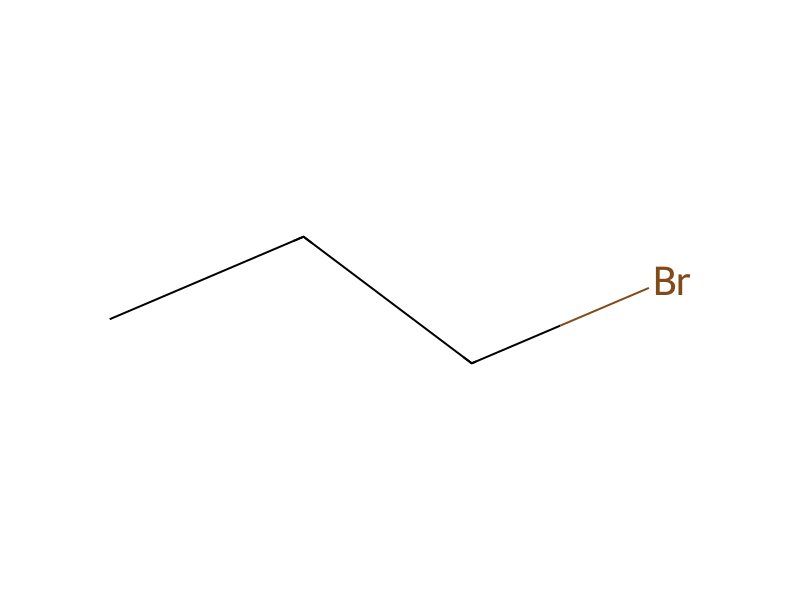



Produkt 1

Reagenzien, Katalysatoren, Lösungsmittel 1

Reaktionsbedingungen
- Temperatur
- 60 °C
Versuchsvorschrift
9.6 g (0.05 mol) of 3-cyclopropylxanthine were suspended in 150 ml of dimethylformamide and slowly deprotonated using 1.45 g (0.06 mol) of sodium hydride. When evolution of hydrogen was at an end, the solution was heated to 60° C. and treated dropwise with 6.77 g (0.055 mol) of bromopropane. After stirring at 70° C. for 3 hours, the solution was filtered, the dimethylformamide was evaporated under reduced pressure and the residue was crystallized from diisopropyl ether.
Aufarbeitung
- filtrationthe solution was filtered
- customthe dimethylformamide was evaporated under reduced pressure
- customthe residue was crystallized from diisopropyl ether
Quellen und Nachweise
- ORD-Eintrag
- ord-8e167d88150f459d95e6145c9ec1c182
- Quelldatensatz
- uspto-grants-1998_03
- Patentnummer
- US05728686
Verknüpfte Notizen
Wird geladen…