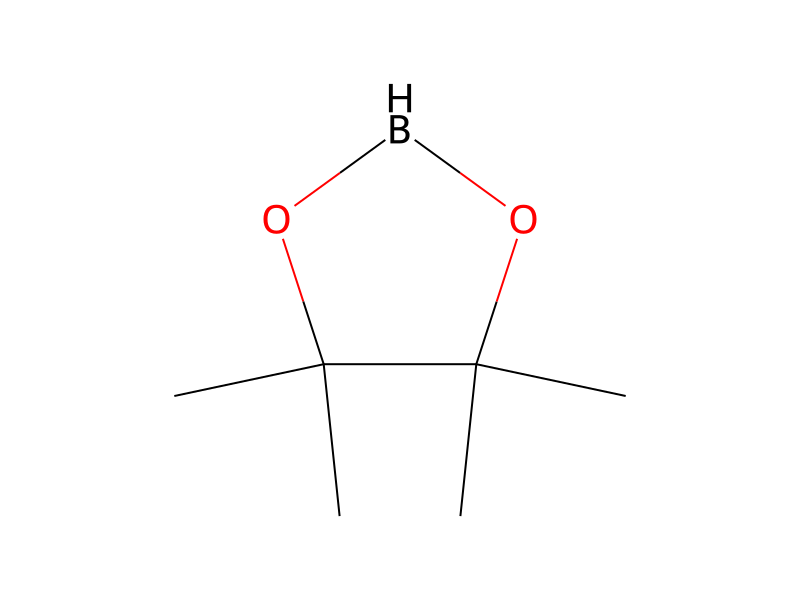
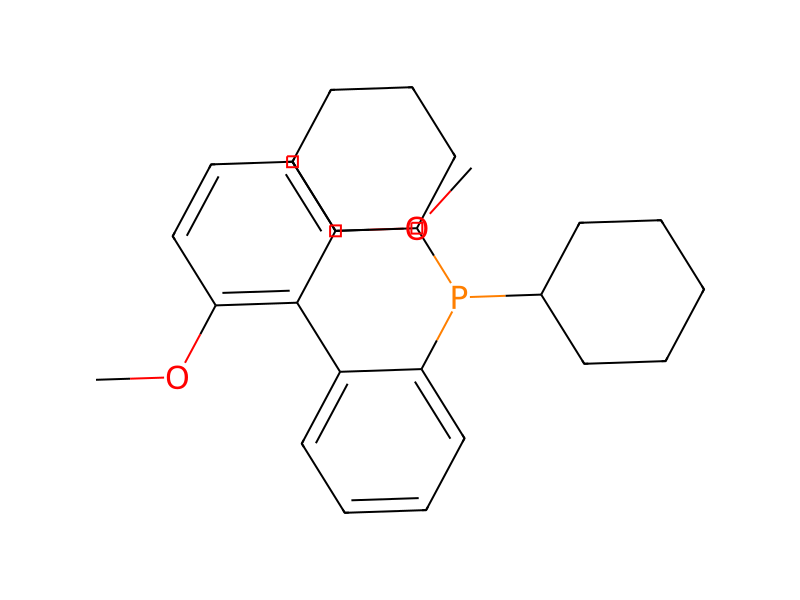
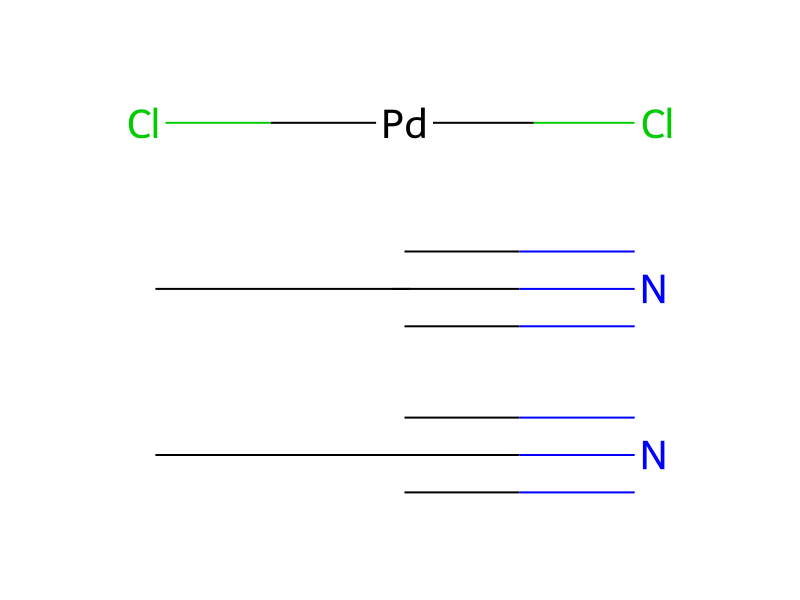
Br[C:2]1[CH:7]=[C:6]([F:8])[C:5]([O:9][CH3:10])=[CH:4][C:3]=1[CH2:11][CH3:12].COC1C=CC=C(OC)C=1C1C=CC=CC=1P(C1CCCCC1)C1CCCCC1.[CH3:42][C:43]1([CH3:50])[C:47]([CH3:49])([CH3:48])[O:46][BH:45][O:44]1.C(N(CC)CC)C>O1CCOCC1.CC#N.CC#N.Cl[Pd]Cl>[CH2:11]([C:3]1[CH:4]=[C:5]([O:9][CH3:10])[C:6]([F:8])=[CH:7][C:2]=1[B:45]1[O:46][C:47]([CH3:49])([CH3:48])[C:43]([CH3:50])([CH3:42])[O:44]1)[CH3:12]To a solution of 1-bromo-2-ethyl-5-fluoro-4-methoxy-benzene (Preparation 12, 18.0 g, 77.2 mmol) in dioxane (100 mL) were added SPhos (4.12 g, 10.0 mmol), 4,4,5,5-tetramethyl-1,3,2-dioxaborolane (14.8 g, 116 mmol) and triethylamine (10.7 mL, 77.2 mmol). The reaction mixture was degassed with nitrogen prior to the addition of dichlorobis(acetonitrile)palladium (II) (801 mg, 3.09 mmol). The reaction mixture was then heated at 110° C. for 18 hours, cooled to room temperature and filtered through a pad of Celite, washing with EtOAc. The solvent was removed in vacuo and the residue was redissolved in EtOAc (30 mL) and washed with water (30 mL). The organic layer was dried over sodium sulfate and concentrated in vacuo. The crude material was triturated with methanol and the resulting solid was collected by filtration to give the title compound as a beige solid (13.8 g) in a 64% yield.
Wird geladen…