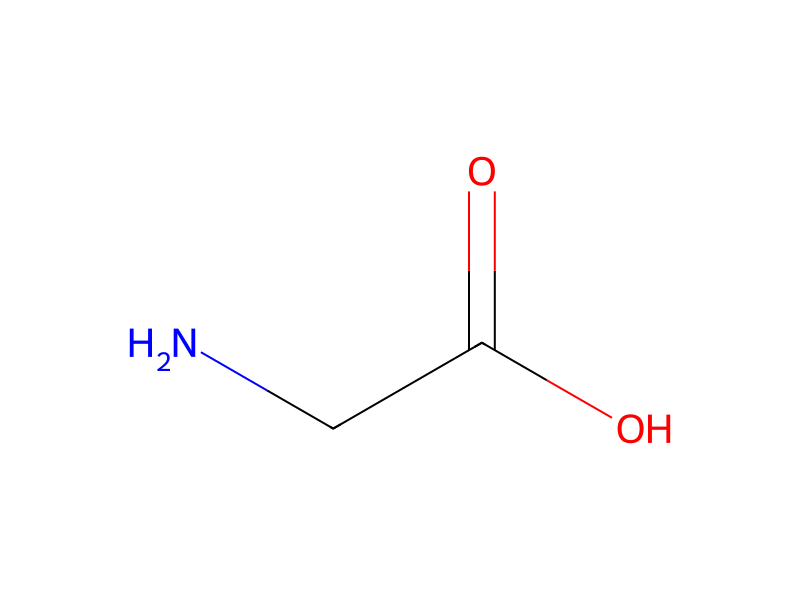
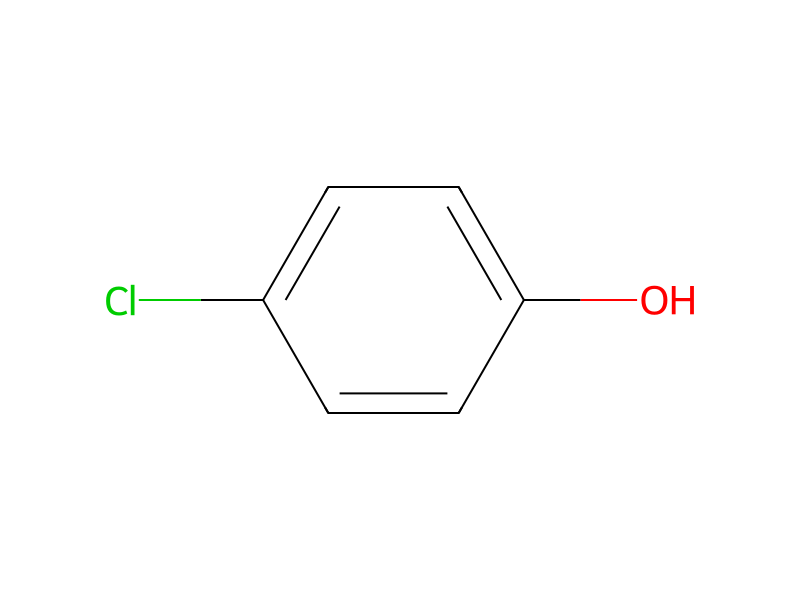
27.8 g (216 mmol) of 4-chlorophenol and 47 g (205 mmol) of methyl 2-bromophenylacetate were suspended in 790 mL of dioxane. The mixture was heated to 48° C. and 141 g of cesium carbonate, 4.5 g of glycine and 8.6 g of cuprous chloride were added. The resulting suspension was heated to reflux and stirred at this temperature for 5 days. After cooling down to room temperature, the solid was removed by filtration, washed with 100 mL of dioxane, and discarded. The mother liquors were combined and concentrated under vacuum. 100 mL of ethyl acetate were added to the residue, and the pH was adjusted to 1 with HCl 2 M. The organic phase was extracted, washed with brine and dried. The solvent was removed under vacuum. 100 mL of water were added to the residue, and the pH was adjusted to 1 with HCl 2 M. The resulting suspension was stirred and filtered, to obtain 41 g of 2-(4-chlorophenoxy)phenylacetic acid (compound XIVb) as a brown solid. Yield: 76.1%.