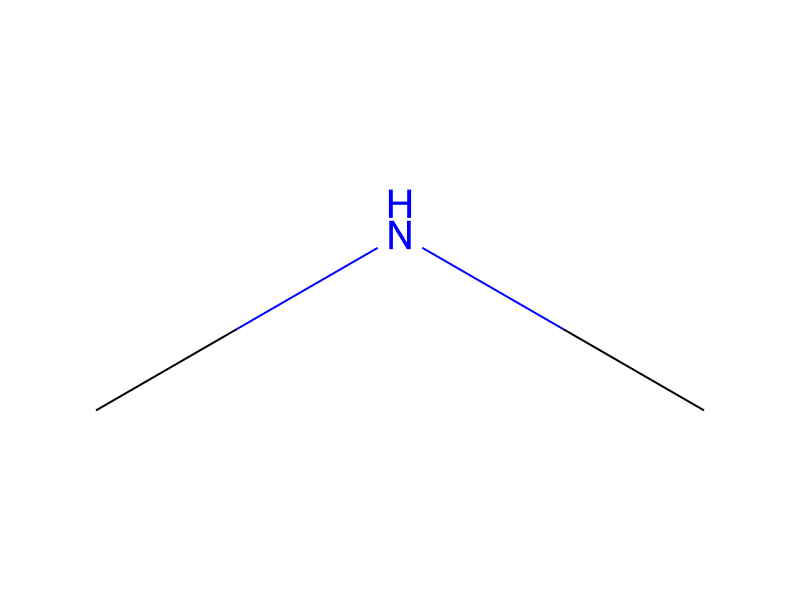
A solution of 40 g of 1,3-dimethyl-4-nitropyrazole--5-carboxylic acid chloride in 50 ml of methylene chloride is added dropwise at from 10° to 20° C., while cooling, to 43 g of a 40% strength aqueous solution of dimethylamine; stirring is continued for a further 20 minutes. The resulting mixture is rendered alkaline with potassium carbonate; the organic layer is separated off, and the aqueous phase is extracted by shaking it with methylene chloride. The organic solution is dried and concentrated, and the residue is triturated with petroleum ether (bp 40° to 70° C.) to yield 38.3 g of N,N,1,3-tetramethyl-4-nitropyrazole-5-carboxamide, mp 57° to 59.5° C., which is converted into a product of mp 114° to 115.5° C. on recrystallization from cyclohexane.