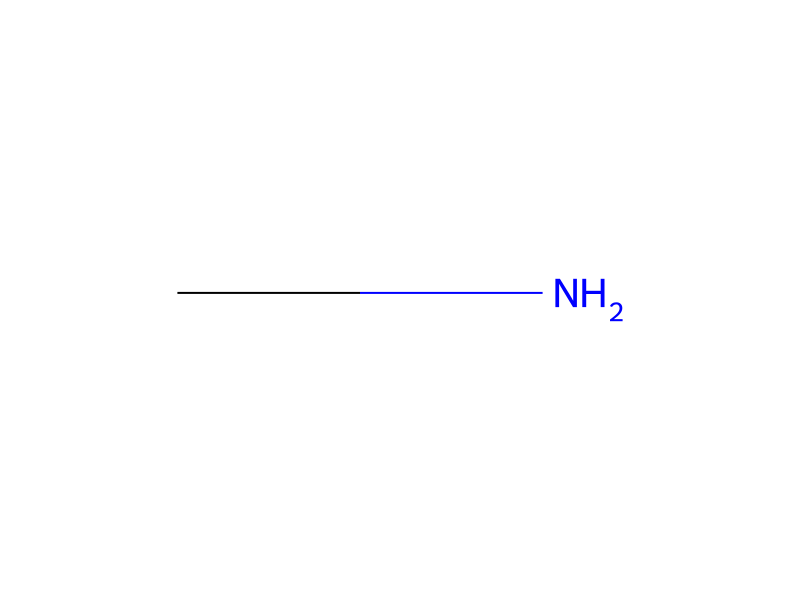
Methylamine → 4-(3,4-Dichlorophenyl)-7-(2-hydroxy-3-methylaminopropoxy)-1-tetralone hydrochloride
HRID 2059326
Reaktionsgleichung

[Cl:1][C:2]1[CH:3]=[C:4]([CH:9]2[C:18]3[C:13](=[CH:14][C:15]([O:19][CH2:20][CH:21]4[O:23][CH2:22]4)=[CH:16][CH:17]=3)[C:12](=[O:24])[C:11](C)(C)[CH2:10]2)[CH:5]=[CH:6][C:7]=1[Cl:8].[CH3:27][NH2:28]>C(O)C>[ClH:1].[Cl:1][C:2]1[CH:3]=[C:4]([CH:9]2[C:18]3[C:13](=[CH:14][C:15]([O:19][CH2:20][CH:21]([OH:23])[CH2:22][NH:28][CH3:27])=[CH:16][CH:17]=3)[C:12](=[O:24])[CH2:11][CH2:10]2)[CH:5]=[CH:6][C:7]=1[Cl:8]Komponenten
4
Edukt 2

Produkt 1

Reagenzien, Katalysatoren, Lösungsmittel 1

Versuchsvorschrift
To a solution of 4-(3,4-dichlorophenyl)-7-(2,3-epoxypropoxy)-2,2-dimethyl-1-tetralone (3.2 g) in ethanol (30 ml) was added a solution of methylamine (10 ml) in ethanol (10 ml) and the mixture left to stand overnight. The solvent was removed and the residue shaken with ether-dilute hydrochloric acid. The aqueous layer was separated, basified, extracted with ether and the extract dried (MgSO4). Evaporation gave the product as the free base, which was converted to the hydrochloride salt. Recrystallisation from petrol/ether gave 4-(3,4-dichlorophenyl)-7-(2-hydroxy-3-methylaminopropoxy)-1-tetralone hydrochloride as white crystals (2.5 g, 72%) m.p. 105°-10°(dec).