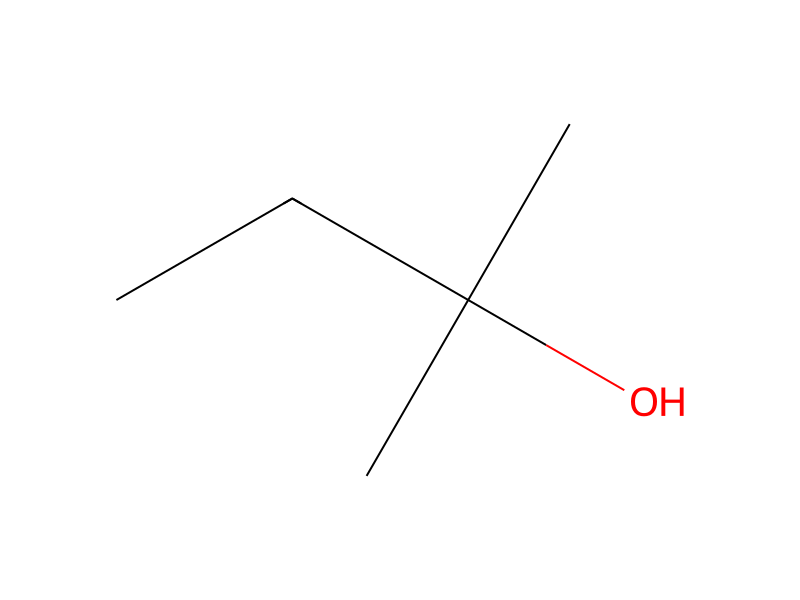
A suspension containing 5-amino-2-(4-chlorophenyl)-1,3-thiazole-4-carboxamide (Example 1, Step 1) (200 mg, 0.788 mmol), 2-(6-bromopyridin-2-yl)propane-1,2-diol (179 mg, 0.773 mmol), 2-dicylohexylphosphino-2′,4′,6′-triisopropyl-1,1-biphenyl (92 mg, 0.193 mmol), dibenyzlideneacetone bis(triphenylphosphine) (35.4 mg, 0.039 mmol) and potassium carbonate (117 mg, 0.850 mmol) in tert-amyl alcohol (3.0 mL) was sealed in a 5 mL microwave reaction vessel and was purged of oxygen by doing 5 vacuum/argon flush cycles. After heating the reaction at 100° C. for 16 hours, the mixture was cooled, diluted with ethyl acetate (100 mL) and methanol (5 mL), washed with saturated aqueous sodium bicarbonate (30 mL), and filtered both layers through filter paper. The layers were separated, and the organic layer was washed with brine (30 mL), dried over sodium sulfate, filtered, and concentrated. The resulting solid was diluted with acetonitrile (40 mL) and methanol (10 mL), and this solution was extracted with hexanes (2×50 mL) and then concentrated. The crude product was purified by reverse phase HPLC (40-90% acetonitrile/water with 0.05% trifluoroacetic acid), and then the appropriate fractions were diluted with ethyl acetate (100 mL) and saturated aqueous sodium bicarbonate (30 mL). The layers were separated, and the organic layer was washed with saturated aqueous sodium bicarbonate (15 mL) and water (2×15 mL), dried over sodium sulfate, filtered and concentrated to yield the title compound as a light yellow solid.