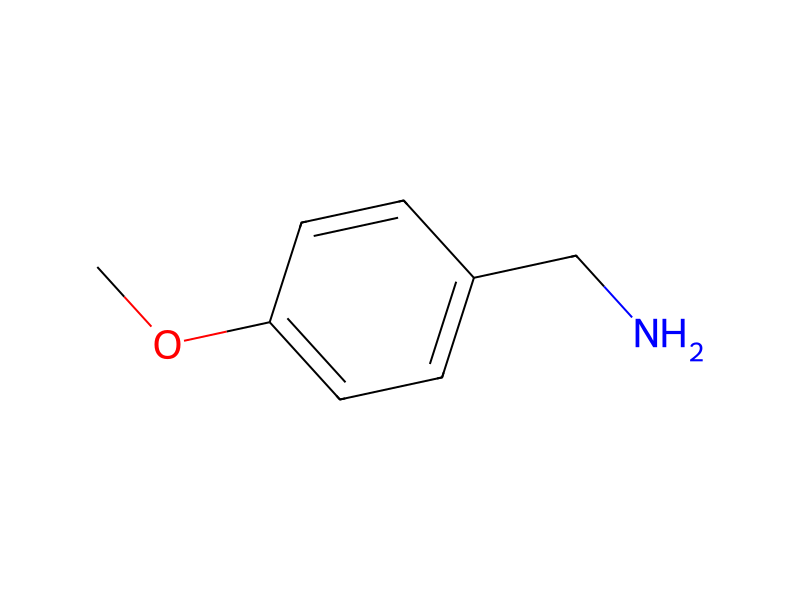
To a solution of tert-butyl 4-(2-chloropyrimidin-4-yloxy)naphthalen-1-ylcarbamate (1.00 g, 2.69 mmol) and triethylamine (0.374 mL, 2.69 mmol) in DMSO (10 mL) was added (4-methoxyphenyl)methanamine (350 μl, 2.69 mmol) and the reaction mixture was heated in a sealed tube at 95° C. for 16 hr. The resulting mixture was partitioned between water and EtOAc and the organic layer was separated and washed with brine and then dried (MgSO4) and evaporated in vacuo. The residue was purified by flash column chromatography (SiO2, ethyl acetate in isohexane, 0-50%, gradient elution) to afford [as judged by LCMS] a 1:1 mixture of the desired compound: tert-butyl 4-(2-(4-methoxybenzylamino)pyrimidin-4-yloxy)naphthalen-1-ylcarbamate together with 2-chloro-N-(4-methoxybenzyl)pyrimidin-4-amine. This material was used directly in the next step without further purification.