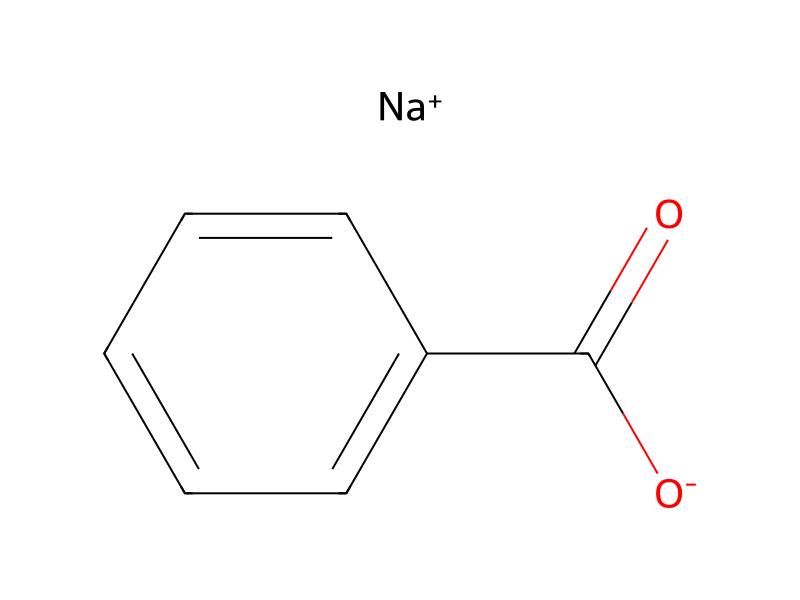
Sodium Benzoate → (2S,4S)-1-tert-Butyl 2-methyl 4-(benzoyloxy)pyrrolidine-1,2-dicarboxylate
HRID 2073248
Reaktionsgleichung

[C:1]([O:5][C:6]([N:8]1[CH2:12][C@H:11]([O:13]S(C)(=O)=O)[CH2:10][C@H:9]1[C:18]([O:20][CH3:21])=[O:19])=[O:7])([CH3:4])([CH3:3])[CH3:2].[C:22]([O-])(=[O:29])[C:23]1[CH:28]=[CH:27][CH:26]=[CH:25][CH:24]=1.[Na+]>CS(C)=O.C(OCC)(=O)C>[C:22]([O:13][C@@H:11]1[CH2:12][N:8]([C:6]([O:5][C:1]([CH3:4])([CH3:3])[CH3:2])=[O:7])[C@H:9]([C:18]([O:20][CH3:21])=[O:19])[CH2:10]1)(=[O:29])[C:23]1[CH:28]=[CH:27][CH:26]=[CH:25][CH:24]=1Komponenten
5